The Art of Cooking with Fire
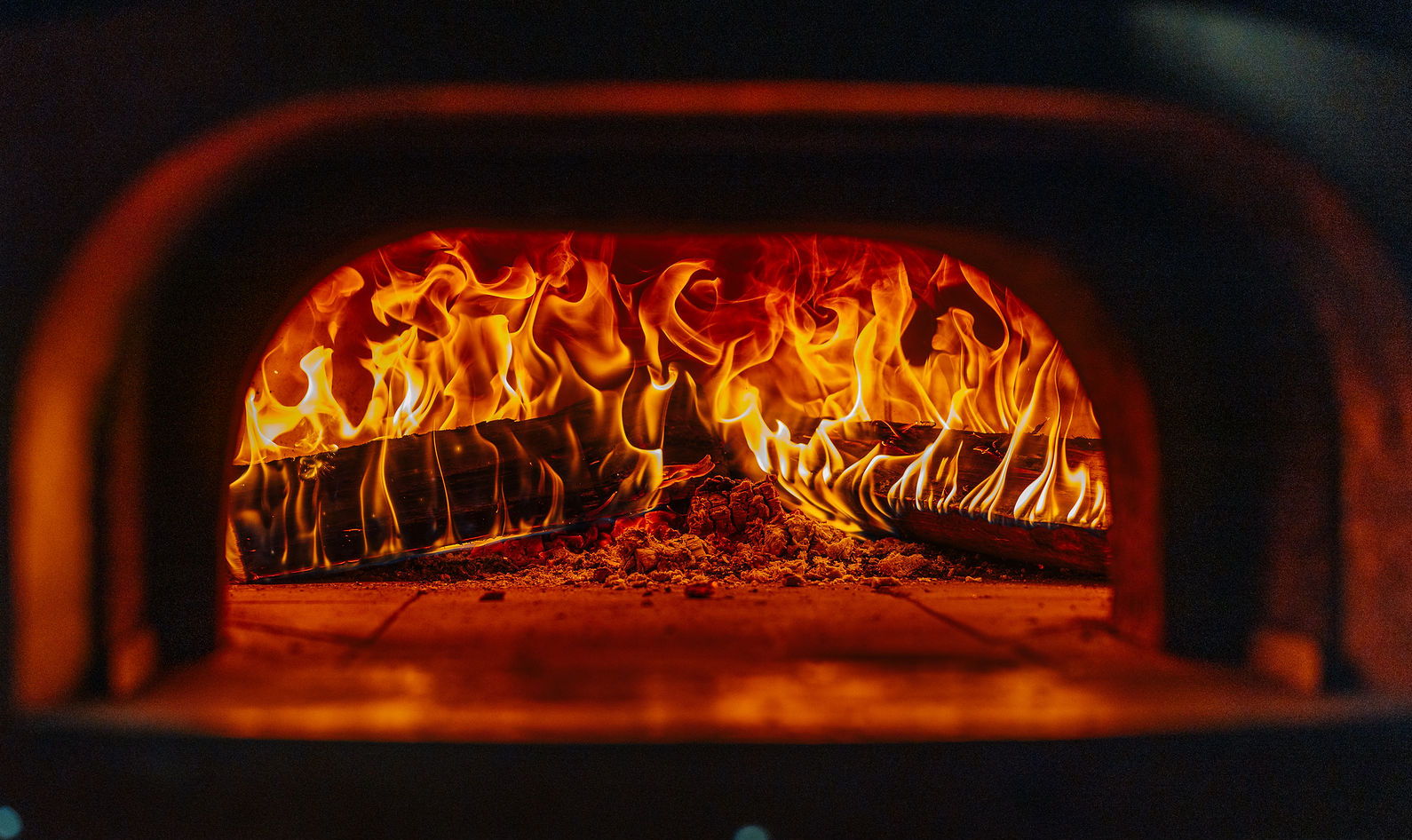
The scent reaches you before the meal does: wood smoke curling through cool air, embers glowing as they settle into ash. In Maine, cooking over fire might bring to mind a sunset clambake on the beach or red snappers roasting over a campfire, but long before it became part of a summer vacation, it was simply how people cooked.
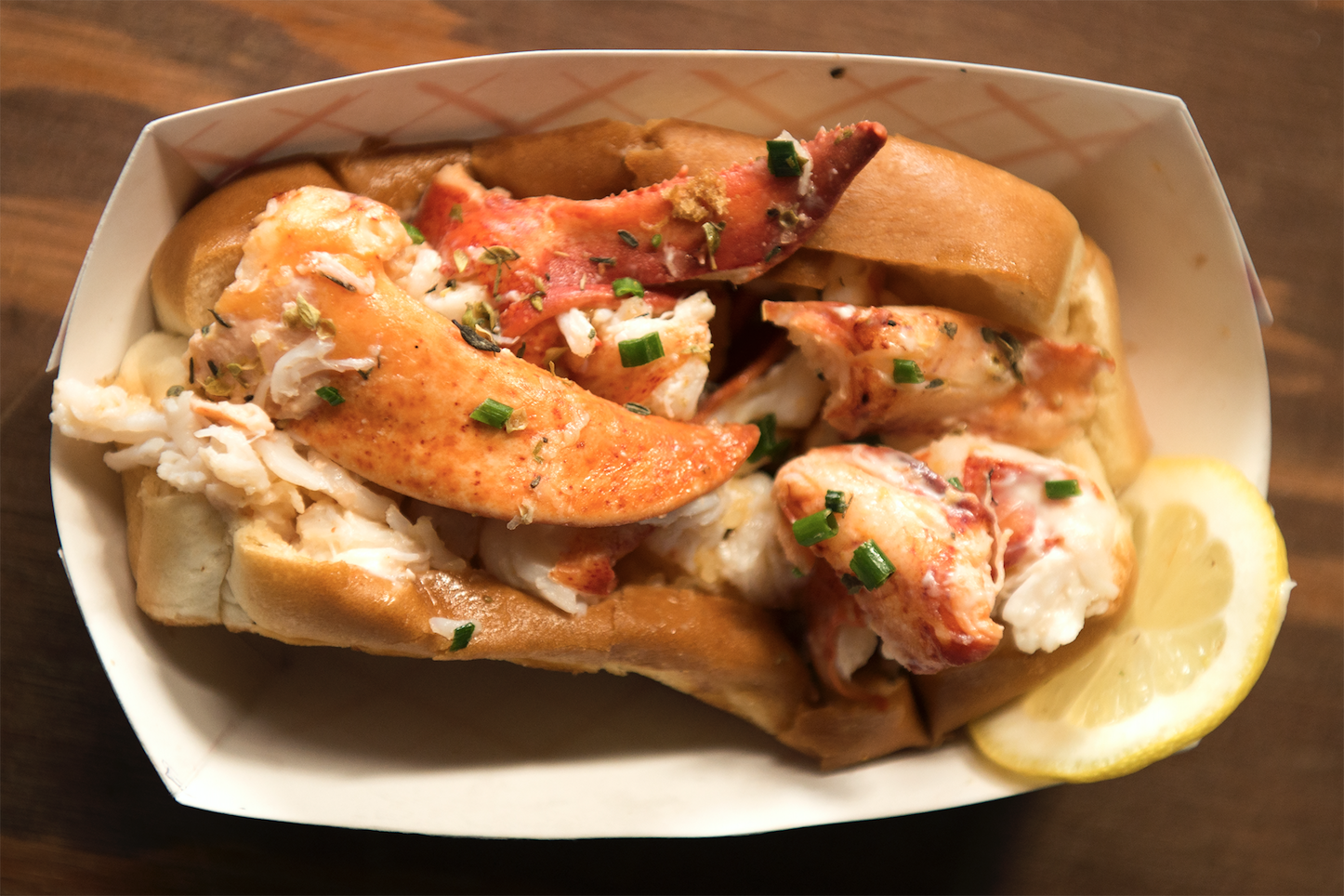
For thousands of years, the Wabanaki—Indigenous people from the Passamaquoddy, Penobscot, Maliseet and Mi’kmaq tribes—roasted fish over open flames and steamed shellfish over hot stones in earthen pits. Those traditions are believed to have influenced what would eventually become the Maine lobster bake, now a fixture of family reunions, weddings and coastal celebrations. In a place shaped by long winters and working landscapes, fire meant far more than dinner. It was warmth, survival and a place to come together.
That way of thinking still lingers. Across Maine, chefs, farmers and home cooks continue to prepare meals with wood and flame, each for their own reasons.
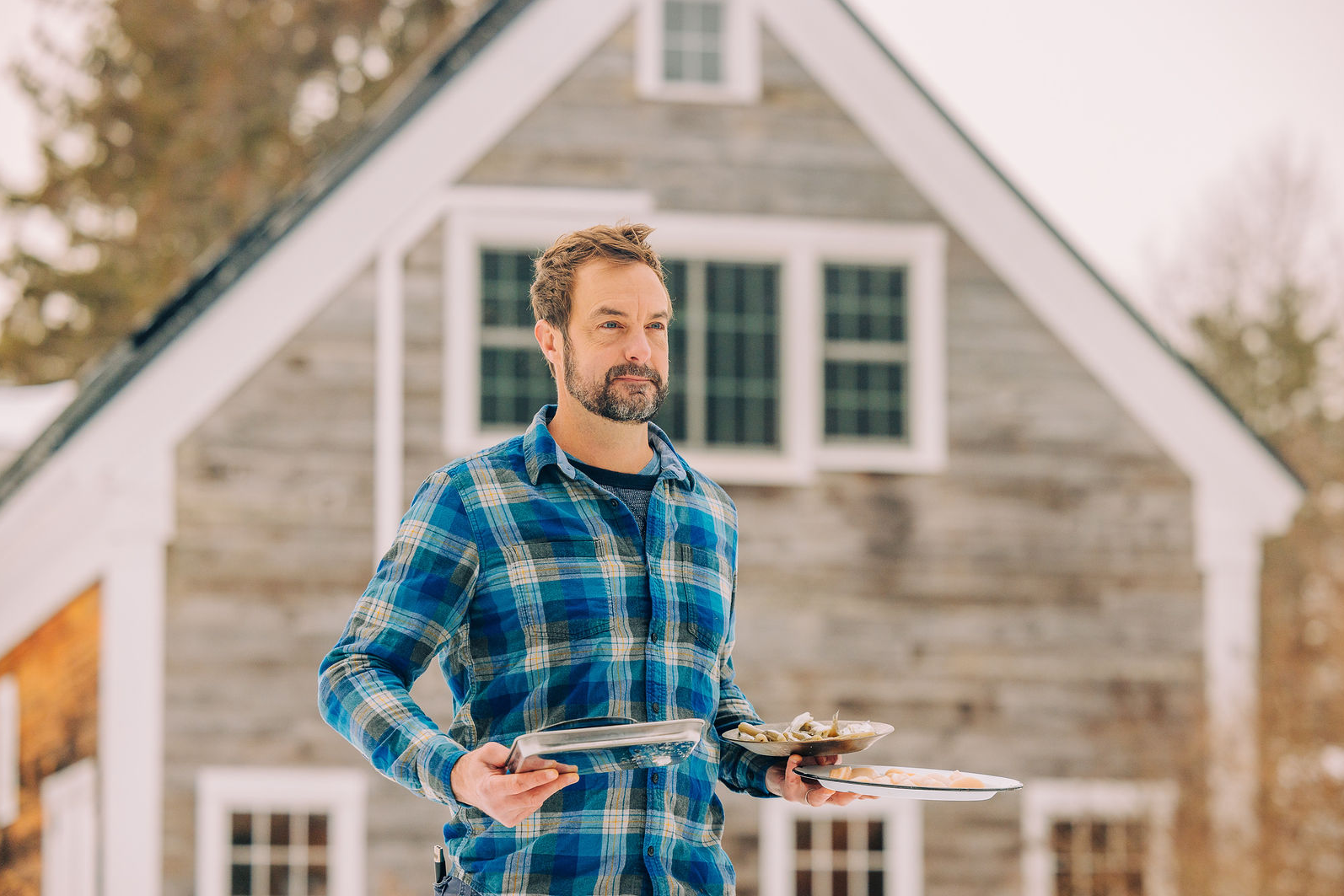
Barton Seaver, Maine-based chef, author, sustainability advocate and founder of Seafood That Matters, believes live-fire cooking begins with humility. “Submitting yourself to the process of live fire humbles you,” he says. “To be on its timing, to work within the realities of your scenario—which is the wind, the weather, the climate, the air—everything about it comes into play.” Cooking this way isn’t about mastering the elements so much as learning to work with them, an approach that’s shaped Maine’s food traditions for generations.
Here, the meal is inseparable from the place—and the people—that make it possible. Fishermen, farmers and foragers aren’t distant, nameless suppliers; they’re neighbors (the kind who might drop off a sack of fresh oysters on their way home from the docks). Around the table, food becomes a way of caring for each other.
“The currency that really matters in Maine is how good of a neighbor you are,” Seaver says. “And there is no better neighbor than one who feeds you.”
Cooking over fire naturally reinforces that mindset. It slows the pace enough to notice the subtleties of a hard-earned feast: the sweetness of Maine lobster, the plumpness of cold-water oysters, the tender earthiness of tightly coiled fiddleheads. When the ingredients are this good, it’s best to let them shine.
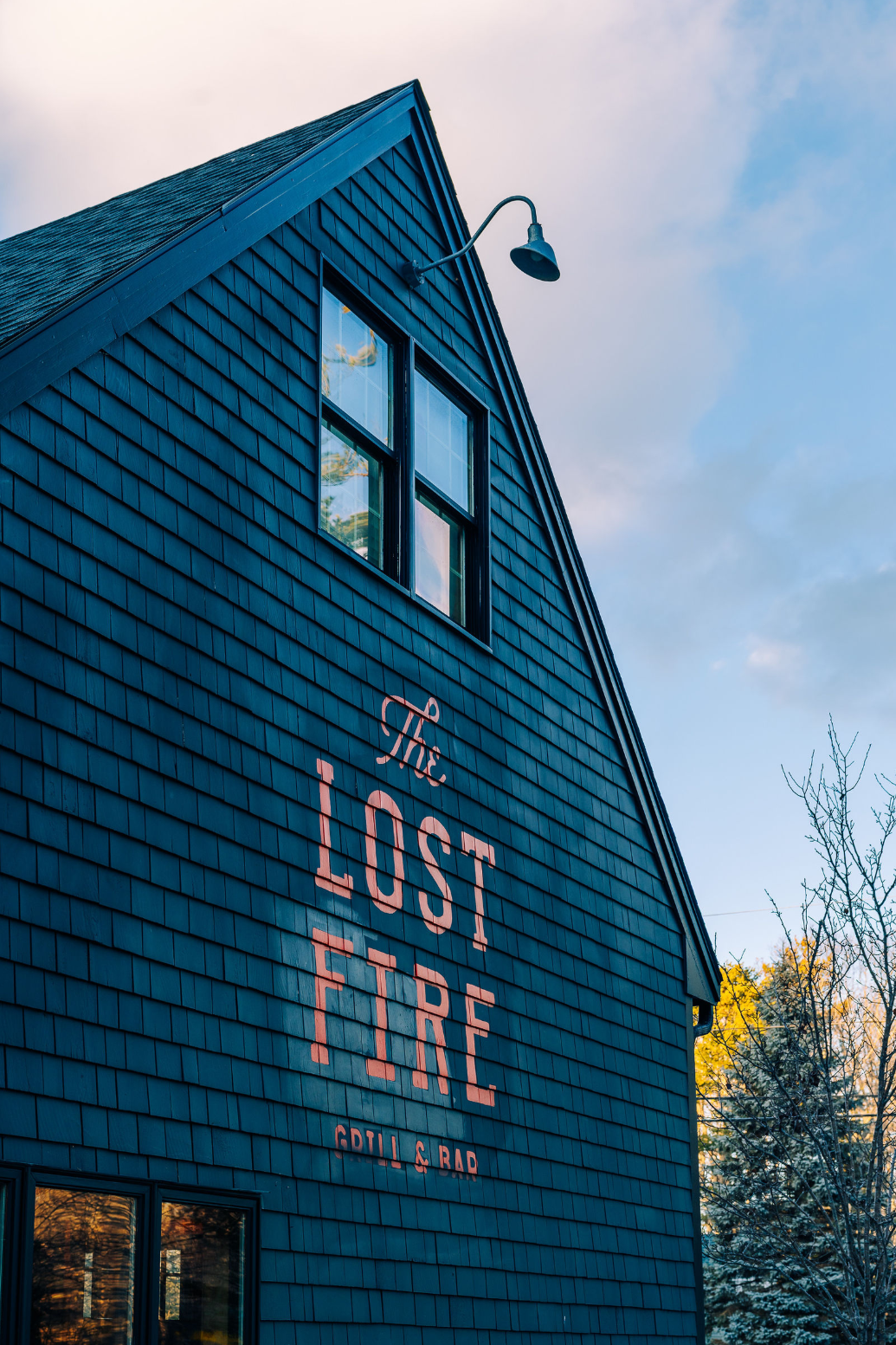
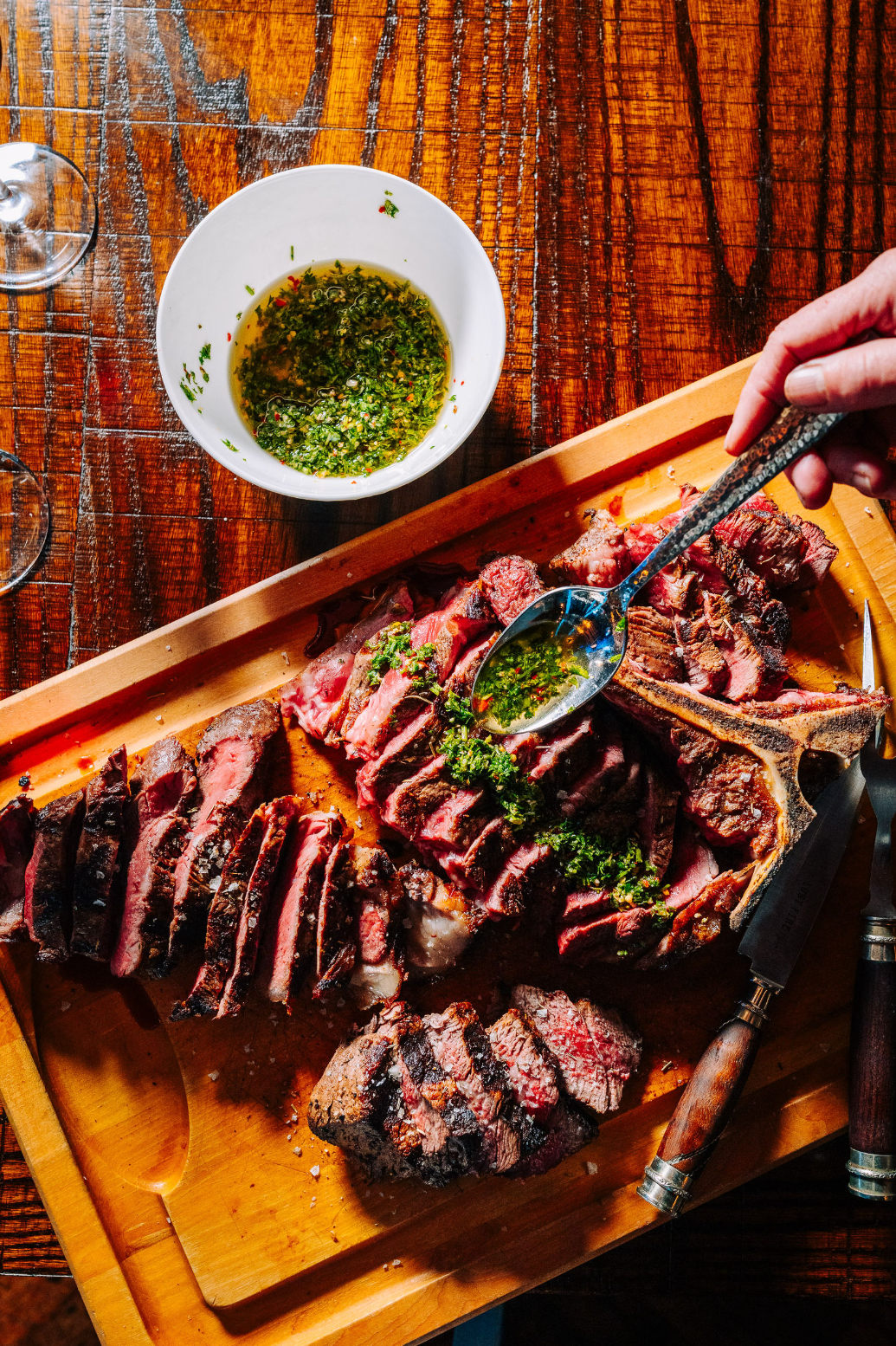
At The Lost Fire in Kennebunkport, chef Germán Lucarelli brings a different fire tradition to Maine—one grounded in Argentina’s centuries-old asado culture. Around the grill, the ceremony begins long before anyone sits down to eat. “The family member starts to put the fire together,” he recalls. “Nobody can rush the asador.”
His restaurant guests don’t arrive expecting a quick meal. They arrive to participate in a ritual.
The restaurant’s custom-built grill burns Argentine charcoal alongside Maine white oak, creating separate cooking zones where steaks slowly roast over glowing embers for up to 45 minutes. Lucarelli constantly reads the fire, adjusting coals by hand and watching the color of the smoke as carefully as the food itself.
“My style of cooking is very primitive,” he says. “It’s just fire, the product and a good salad.”
The simplicity is intentional. Local seafood, meats, mushrooms and vegetables need little embellishment when cooked over carefully managed flame. Guests are invited to settle in, trust the process and experience whatever the season (and the fire) has to offer.
The people preserving this way of cooking isn’t limited to chefs standing over the flames. Behind many of Maine’s wood-fired kitchens and backyard gatherings are craftspeople who have devoted themselves to building the ovens themselves, creating tools designed to cook meals and bring people together for decades to come.
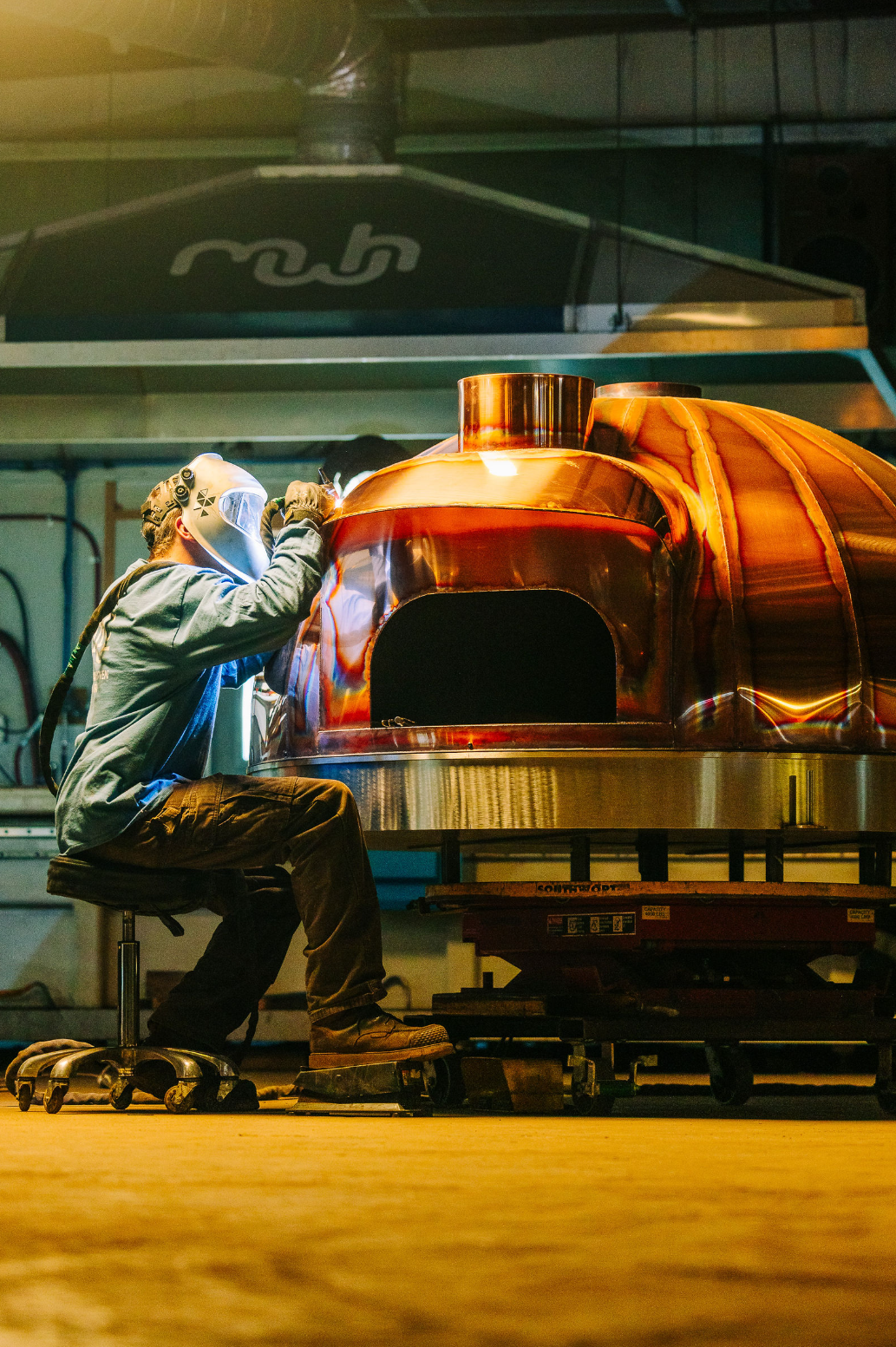
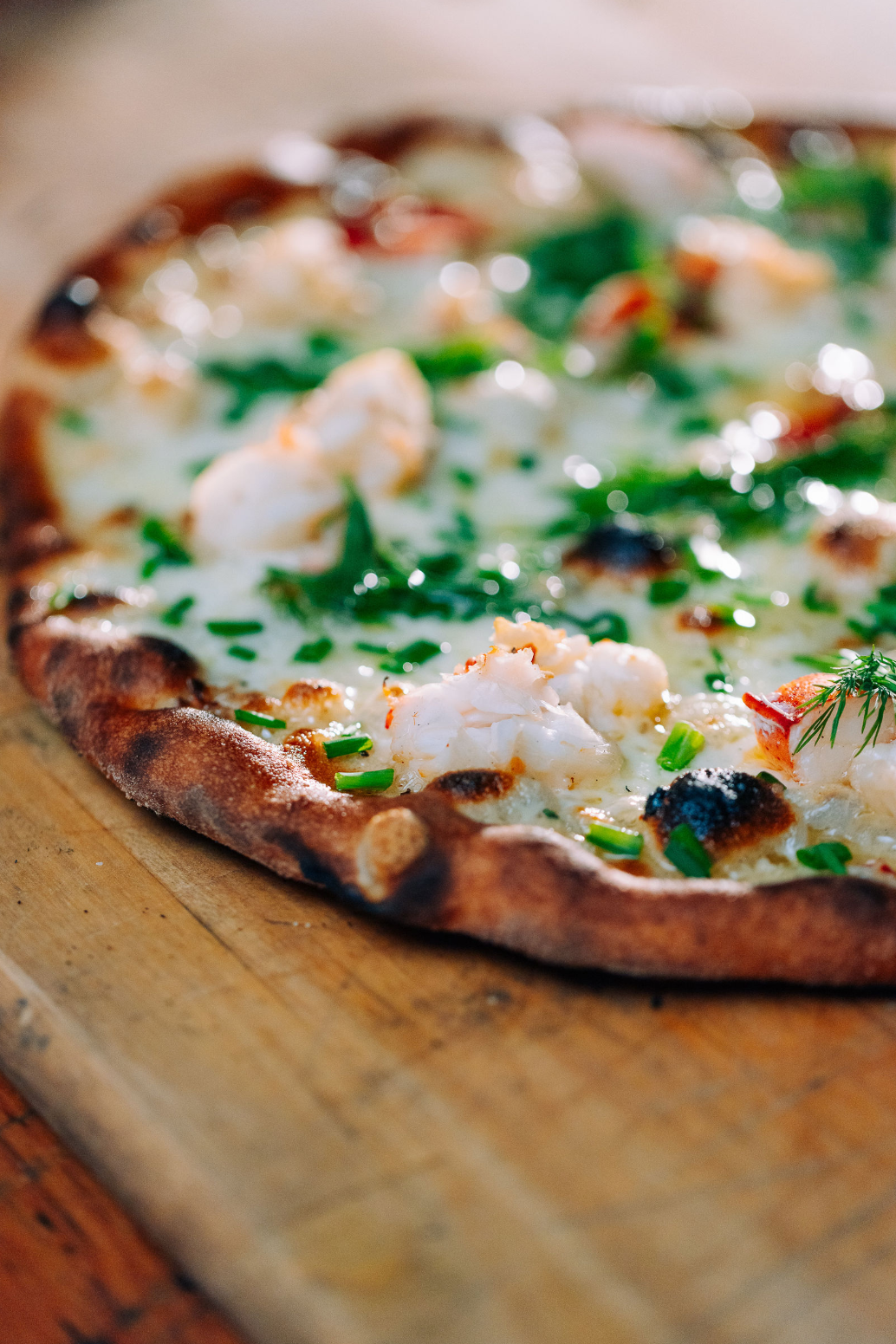
In Skowhegan, Maine Oven Craft hand-builds wood-fired ovens using an exceptionally pure Terre Blanche clay sourced from one of the last remaining quarries in France. From there, each oven takes roughly 100 hours to complete, moving through metal fabrication, masonry and meticulous hand-finishing.
The company grew out of nearly five decades of building Finnish-style masonry heaters under the name Maine Wood Heat. The product may have evolved, but the philosophy has not: build slowly, build well and create something worth keeping.
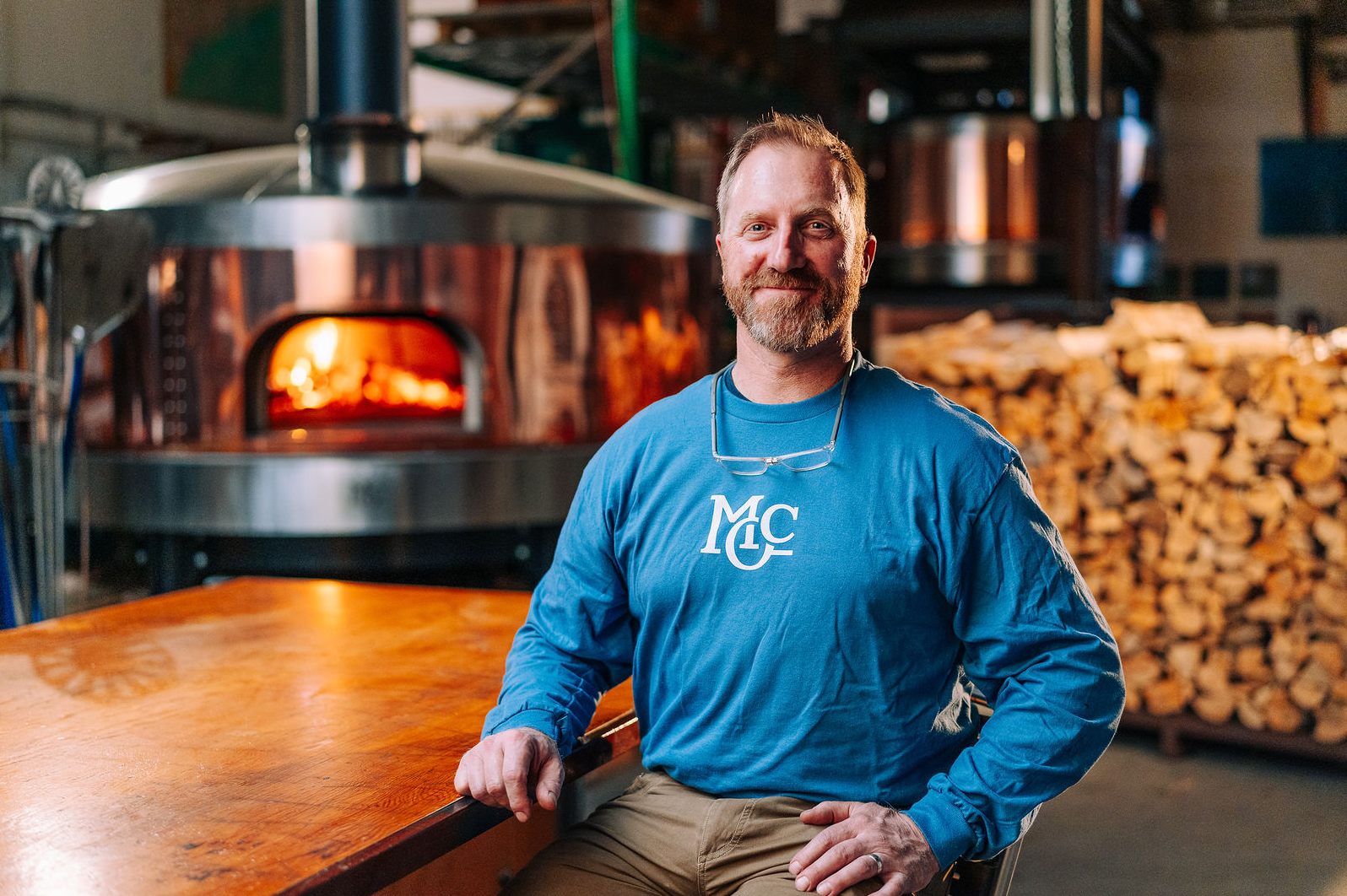
Co-owner, designer and oven-builder Scott Barden sees the oven as far more than an appliance. “Some of my greatest enjoyment in life comes from problem solving,” he says. “There’s such gratification to utilize something that you’ve made—and that works beautifully and is repeatable and draws people together.”
Each oven becomes a permanent gathering place where gourmet pizzas, breads, vegetables and seafood emerge from wood-fired heat, and just as importantly, where conversations linger long after dinner.
In a world that prizes speed and convenience, cooking over fire asks for something different: patience. Presence. Unhurried attention. Perhaps Mainers know that’s the tradition worth preserving most. Long after the last log burns down and the plates have been cleared away, the fire has done what it has always done, brought people together.
Contenuto correlato
I ristoranti iconici del Maine
Ployes: cosa sono e dove trovarli
Coltivato, raccolto e grato: Un ricordo del Maine in pasti
I Food Trucks del Maine: Cucina locale su ruote
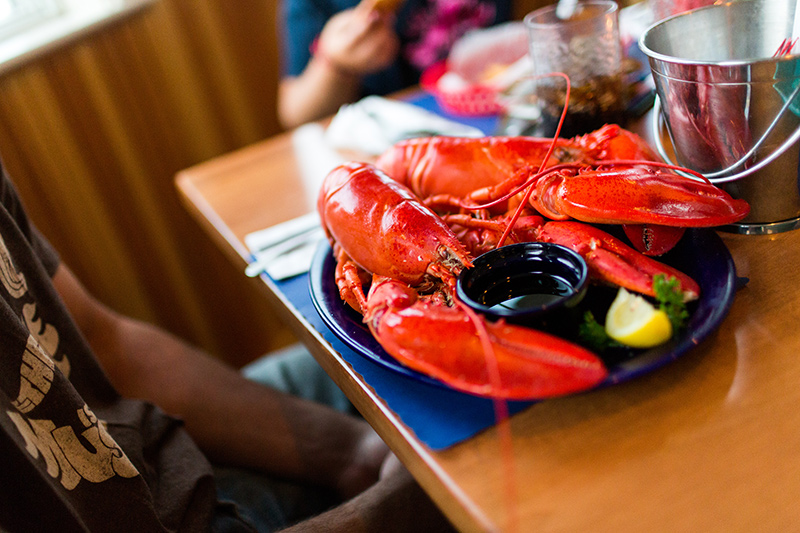
Come mangiare un'aragosta come un abitante del luogo
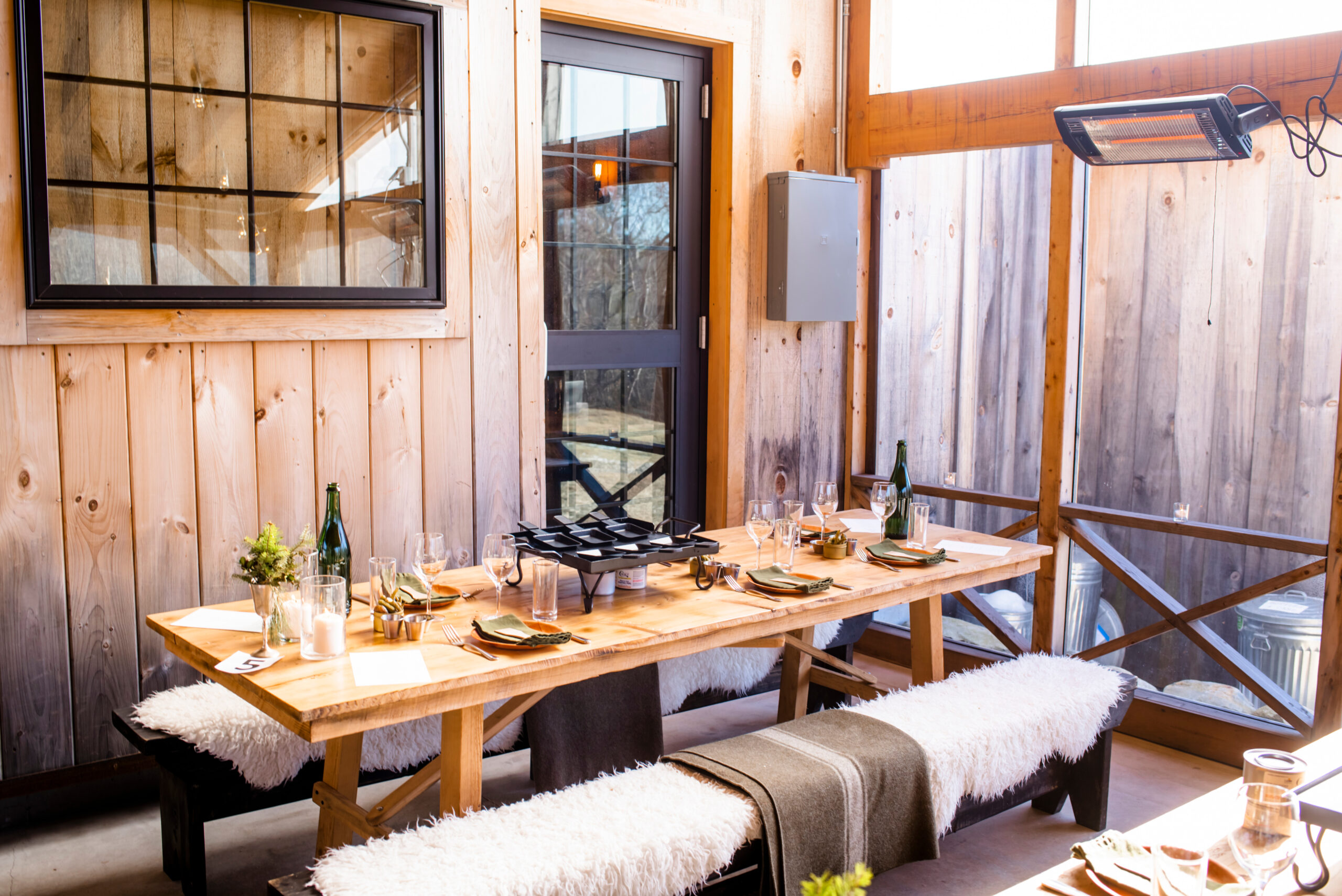
Cibo e divertimento invernali
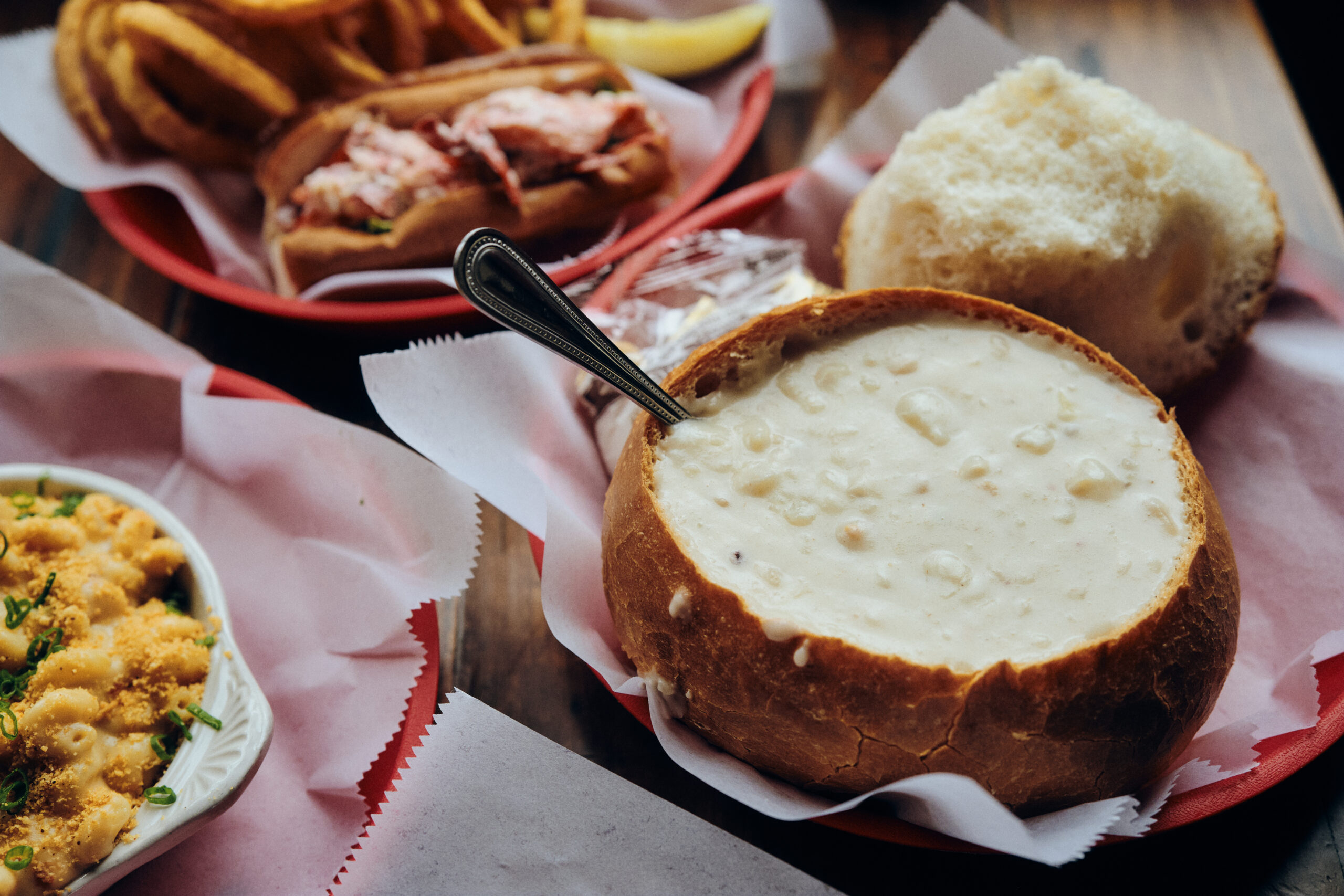
Classic Maine Comfort Food: From Chowder to Ployes
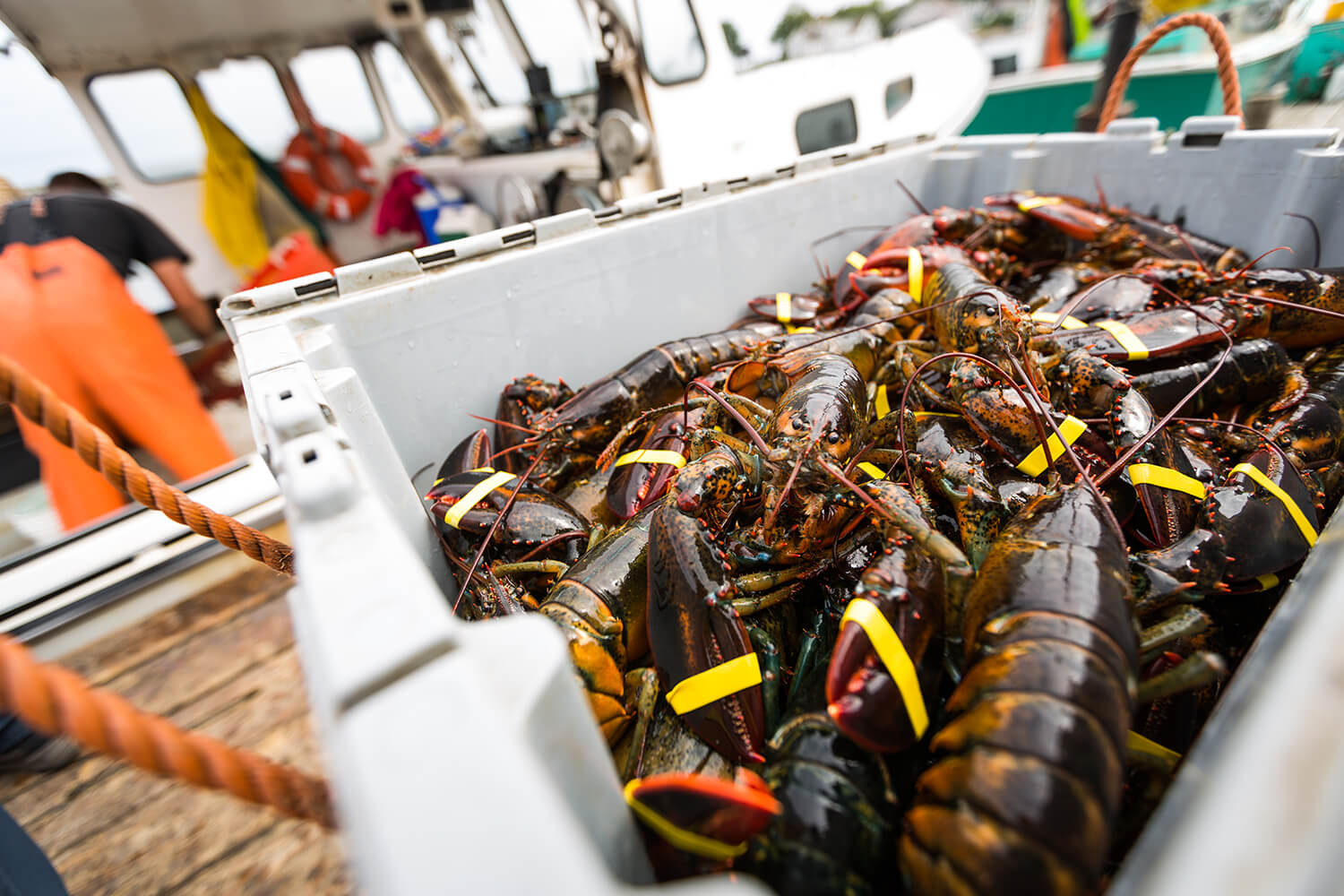
Perché l'aragosta del Maine è la migliore