Comment manger un homard comme un local
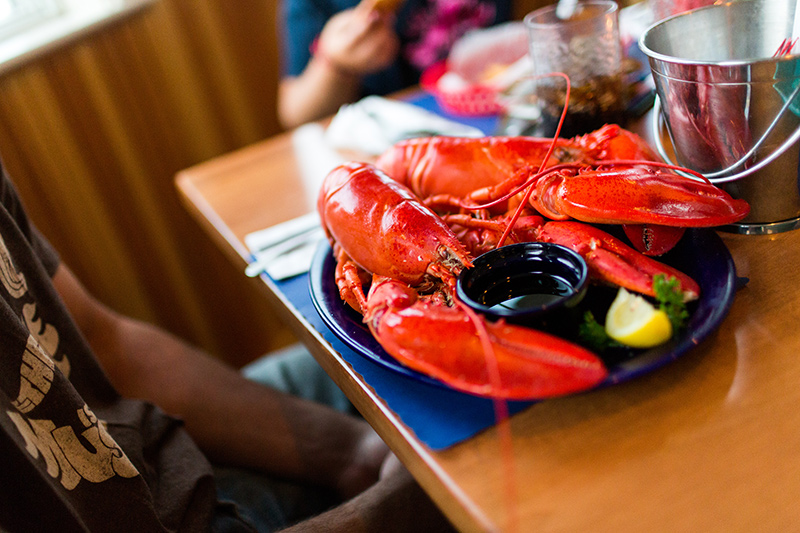
You’ve come to Maine, polled all the locals on their favorite spot for fresh lobster, and now it’s time to dig in. Staring at the crustacean arranged on your plate, you may ask yourself, “Where do I even start?” or possibly “What have I gotten myself into?” Don’t worry, once you dig into that oh-so-delectable lobster, all your questions will melt away.
Un bavoir de homard est ton ami
It’ll protect you from sauce splashes and stray lobster bits. Lobsters are slippery, especially when dipped in butter. And you’ll be using your hands. If you’re eating a soft-shell lobster, just use your hands to crack open the lobster and dig the meat out. But if your lunch comes in a hard shell, it’s time to break out the specialized tools.
Claw Crackers & Lobster Forks
True card-carrying Maine lobster pros travel with their own cracker, mallet and gloves for handling so they’re always prepared. As a visitor, this won’t be expected of you. At most eateries, along with your bib, you’ll find a claw cracker and the lobster fork by your plate. Think of the claw cracker like a nutcracker. It’s meant to split the tough shell open, so you can access the delicious meat inside. The lobster fork is your excavation tool, used to dig inside crevices and hard-to-reach areas so you can devour every last briny morsel.
S’approcher de votre repas est un élément essentiel de l’expérience au Maine. Jetez un coup d’œil dans n’importe quel restaurant ou promenez-vous près d’une cabane et vous verrez que prendre un homard, l’ouvrir et savourer les saveurs riches est une activité obligatoire du Maine.
Ramène un homard à la maison
Si vous préférez manger un homard dans le confort de votre maison, pas de souci! Il suffit d’envoyer des homards vivants directement à votre porte ou de les apporter en bagage cabine lors de votre vol de retour. La plupart des fourrières à homard au Maine emballent des homards durs ou à coquille molle vivants dans une boîte avec des sachets de gel congelé et des algues pour rendre le voyage confortable. Les homards à carapace molle ne survivent que jusqu’à huit heures hors de l’eau, mais les homards à carapace dure peuvent faire un trajet de 24 heures par FedEx, si nécessaire.
Devenez Bountiful.
Le journal alimentaire saisonnier du Maine présente des recettes locales, des conseils de chef et plus encore.
Read more
Contenu connexe
Astuce de voyage : Clambake de l’île Cabbage

Maine Chocolatiers

Maine Crab Rolls

Peek into the Pantry with Maine Homestead
Life of a Maine Lobsterman

Bière artisanale dans le Maine
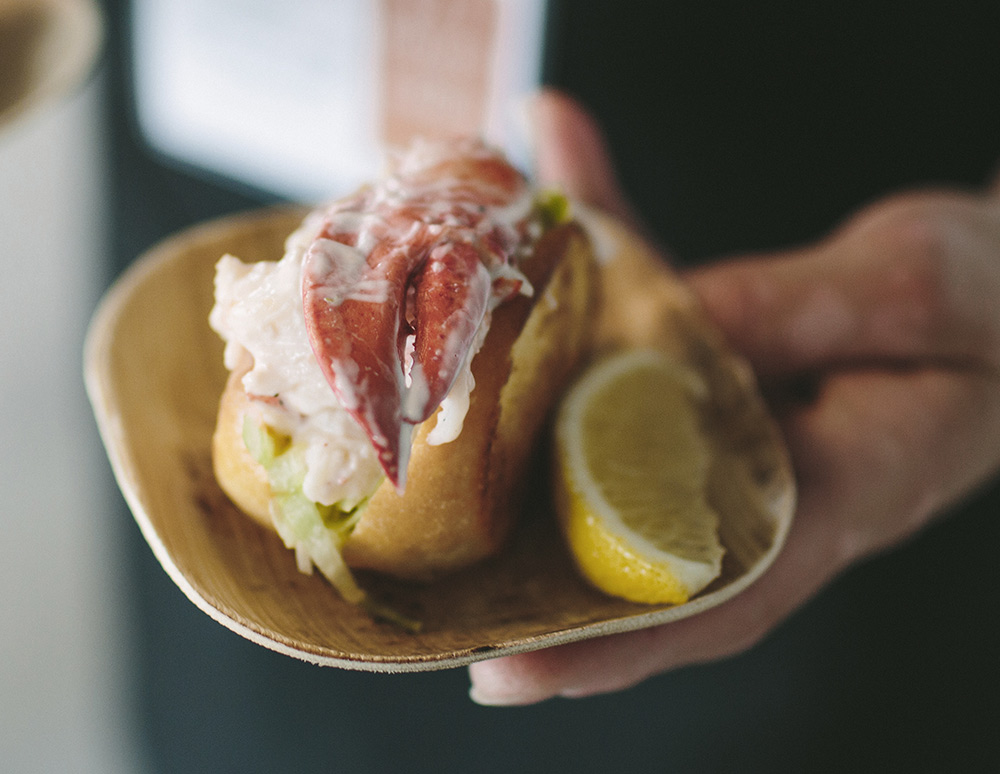
The Maine Food Trucks : cuisine locale sur roues
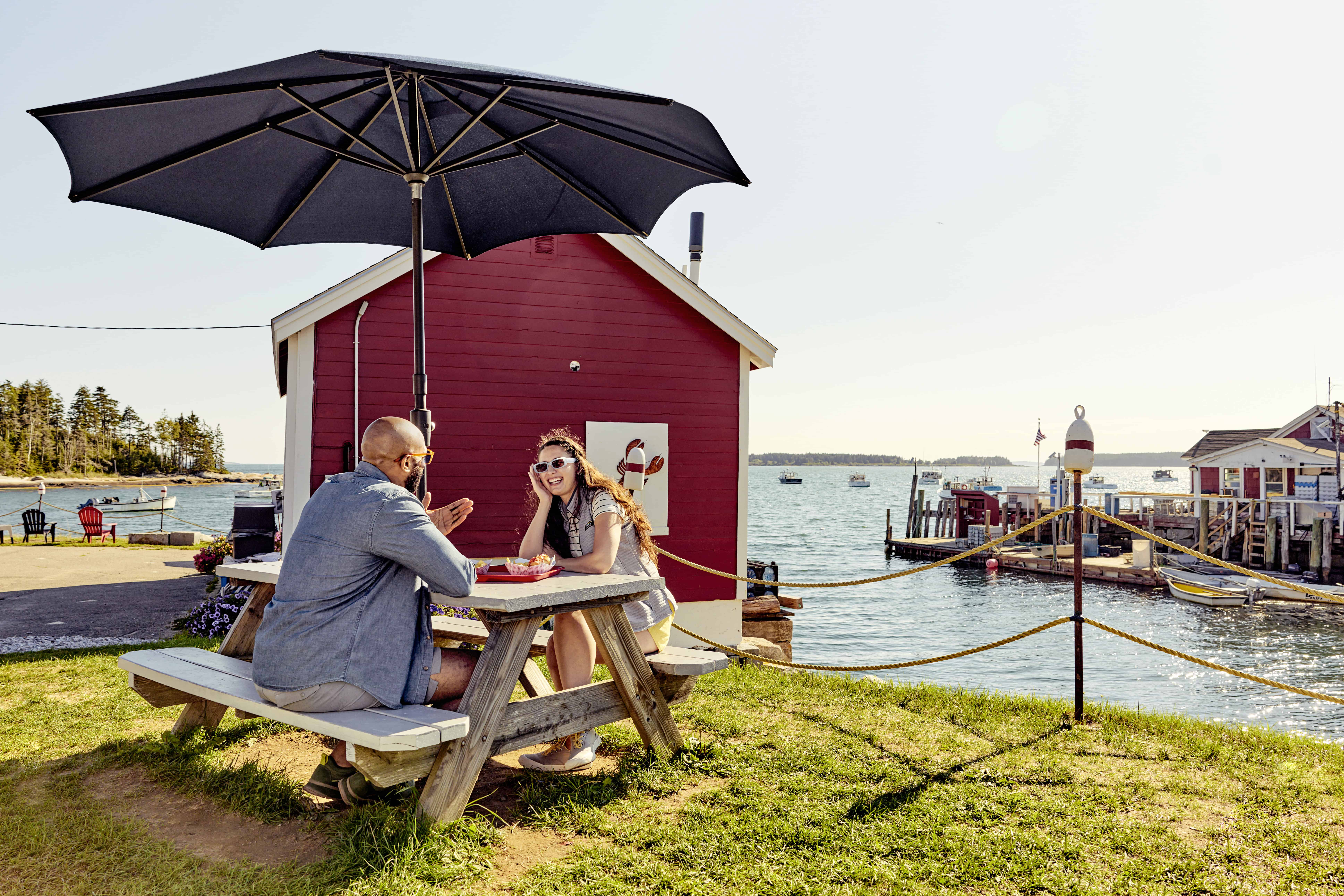
Comment et où manger du homard du Maine