Tasting Winter Tides: Inside Maine’s Wild Scallop Season
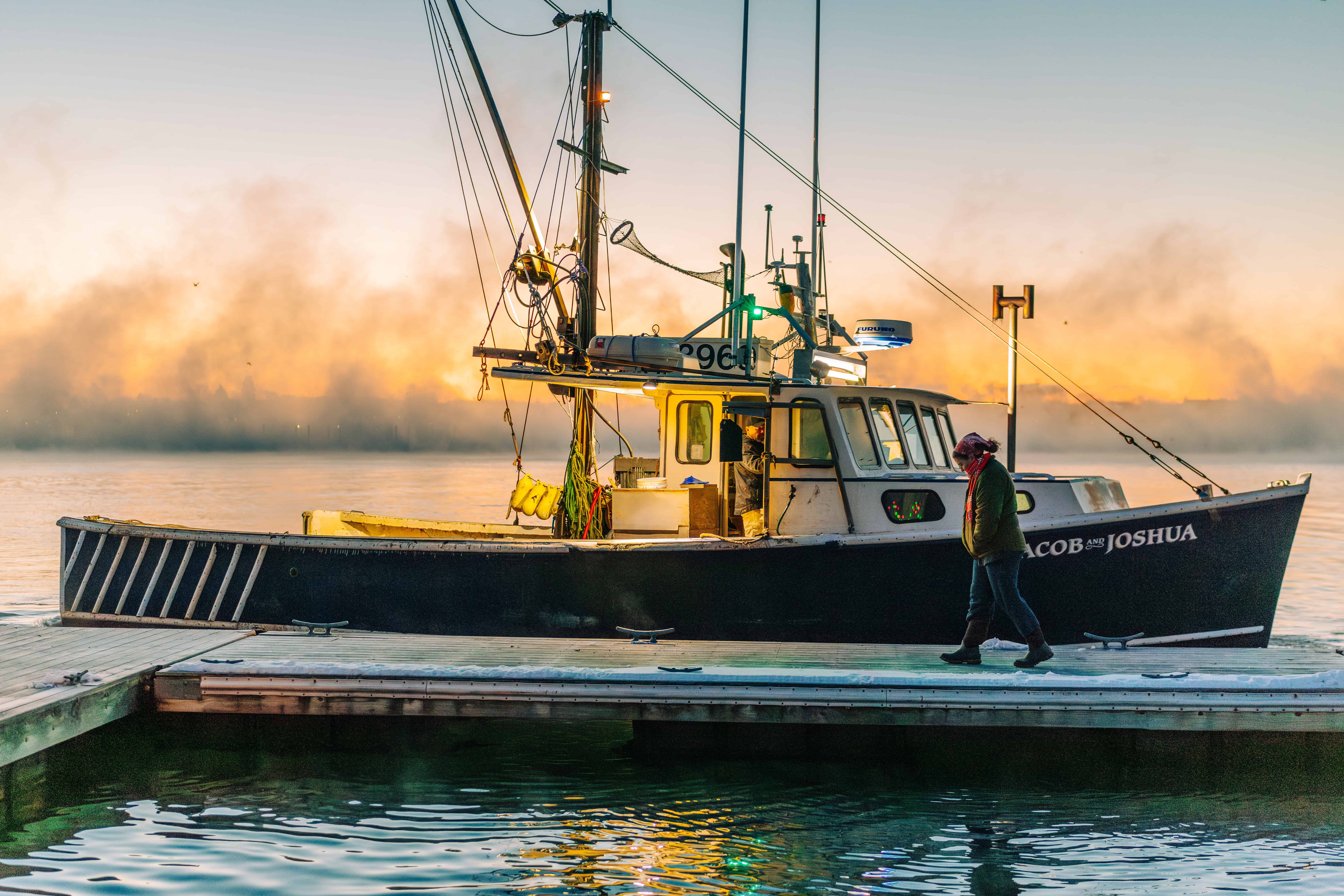
It’s early. The dock glitters with a hint of frost, the air sharp enough to wake every sense. Slow footsteps echo softly against the planks, the only sound besides water lapping below. On the horizon, a thin wash of cranberry-red hints at the sun’s return.
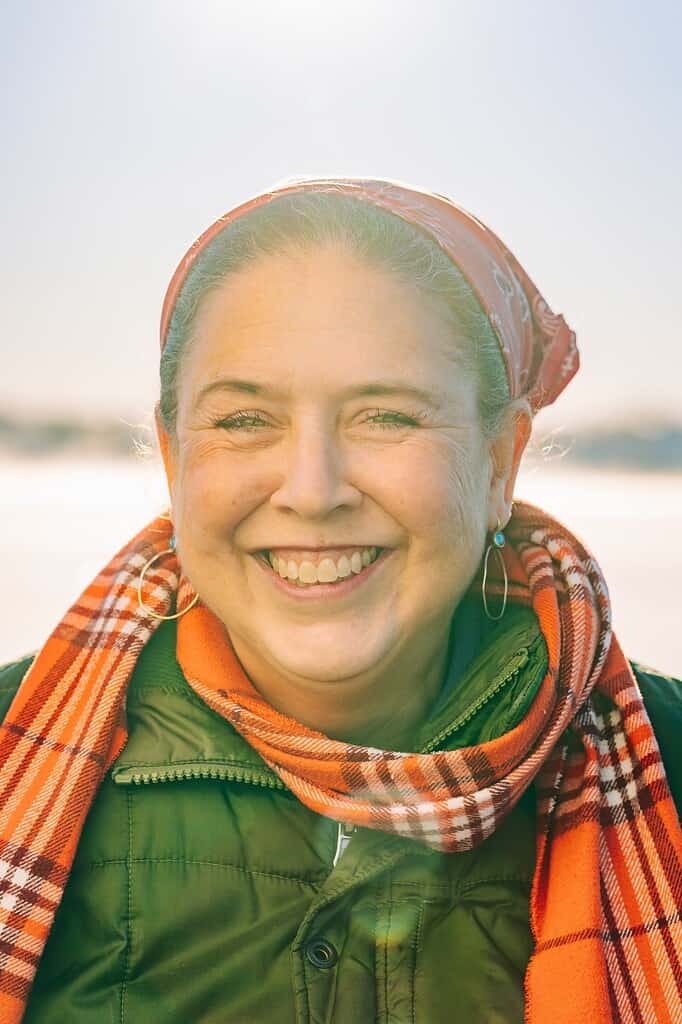
Togue Brawn, Maine seafood expert and owner of Downeast Dayboat, waits in the half-light. Not for spectacle—for a boat. For a fisherman. A lifelong Mainer raised in a fishing family, Brawn grew up on salt marshes, docks and working waterfronts, learning early that the sea shapes both livelihoods and character. Her career led her to the Maine Department of Marine Resources, where she helped revive the once-struggling local scallop industry by working directly with fishermen to protect and rebuild the resource. Today, through her company, she sources Maine’s dayboat scallops from fishermen all along Maine’s craggy coastline and delivers them to chefs and restaurants across the country.
Before long, she hears it: the low hum of an engine in the distance, the faint, familiar scent of diesel, the promise of cold, clean waters holding one of Maine’s most coveted winter catches.
Winter is scallop season in Maine. While much of the coast slows down, small boats head back out, often with just two or three crew members aboard. Maine scallop fishermen are small, independent business owners who operate their own boat and support the economy and culture of Maine’s coastal communities. They fish close to shore, staying within a few miles of land, returning the same day with strict, modest limits—90 or 135 pounds, depending on location. Not abundance. Not excess. Just enough.
Despite their reputation among chefs and seafood lovers, Maine scallops represent only a tiny fraction of the national supply—about 2%. Most U.S. scallops come from the federal fishery: large offshore boats that stay at sea for a week or more, storing their catch in bags buried in ice. As that ice melts, the scallops absorb water, gaining weight and losing flavor. Many are later treated with phosphates to firm them back up, further muting their natural taste.
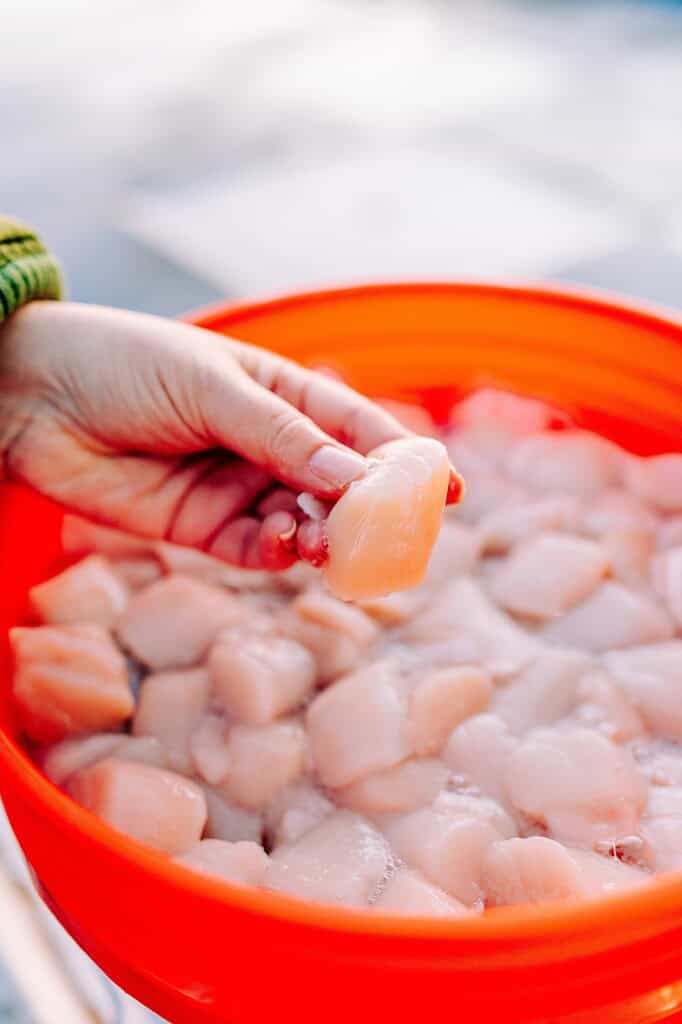
Maine’s scallops are different. They are dayboat scallops: caught and landed the same day, never frozen, never soaked, never diluted. What you taste is the scallop itself—and its unique sense of place.
“When you bite into a Maine scallop, it’s toothsome,” Brawn says, describing a texture closer to rare tuna or perfectly cooked pasta than the softness most diners expect. The difference is immediate and unmistakable.
Dry, Diver & Dayboat Scallops: What’s the Difference?
Not all scallops are created equal, and menus don’t always tell the full story.
“Dry” scallops are untreated—no soaking, no chemicals.
Dayboat scallops are a type of dry scallop, landed the same day they’re caught.
Diver scallops are harvested by hand, by divers.
True diver scallops are exceedingly rare. Maine is the only U.S. state with a significant dive fishery, and fewer than 30,000 pounds are harvested in a typical year. (For reference, the federal fishery brings in tens of millions of pounds annually.) Add to that a dive season that runs only from November through April, and suddenly those “fresh diver scallops” listed on summer menus deserve a second look.
But wild scallops—diver-harvested or otherwise—aren’t the only stars. In Belfast, Vertical Bay Scallops sustainably raises sea scallops using a Japanese vertical farming method that keeps scallops suspended in the clean, nutrient-rich water of Penobscot Bay. They never touch the ocean floor and require no feed or fertilizers. Harvested in summer, when scallops naturally store fats and sugars, these line-grown scallops are prized for their sweetness and rich texture. Different method. Same Maine clarity.
Regardless of method, freshness matters more than any label. The closer a scallop is to the moment it left the water, the more true its flavor.
Brawn often talks about merroir—the seafood version of terroir. Just as wine reflects the soil and climate where grapes are grown, scallops reflect the waters that shape them. “The flavors are so distinct because everything that scallop is ever going to be, it gets from the water around it,” she says. Salinity, nutrient density, temperature and geology all influence flavor.
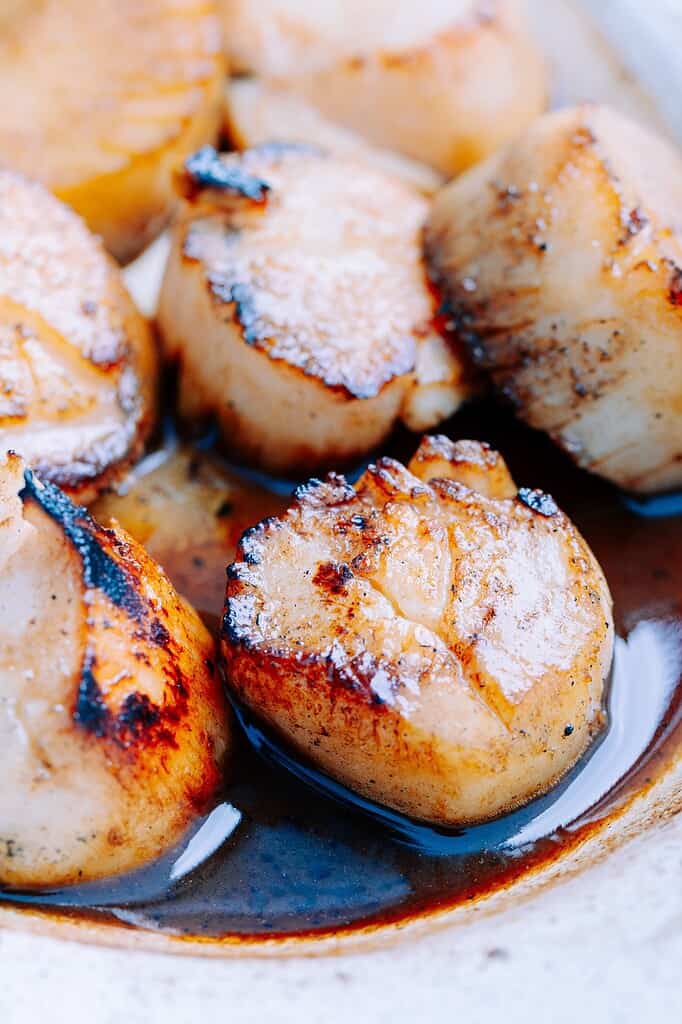
Cobscook Bay scallops tend to balance sweet and salty. Casco Bay scallops can lean gamier. Some carry subtle hints of crab, surf clam or even a creamy, almost buttery undertone. Taste scallops from different Maine bays side by side, and you’re tasting a map.
A great scallop should sear beautifully, not release puddles of liquid. It should feel firm but tender. The flavor should be clean, briny, slightly sweet—never bland.
And if the price is higher than expected, remember what you’re paying for: a tiny harvest, a short season and a level of quality most seafood never reaches.
Most Americans, Brawn believes, have never experienced a truly pure scallop. And when you do, it’s hard to unlearn what scallops are supposed to taste like.
The People Behind the Plate
Scalloping is not romantic work. It’s cold. It’s physical. Fishermen shell scallops in freezing temperatures, often with unprotected hands for the sake of precision. They’re not hauling in thousands of pounds. They’re bringing in just enough to make the trip worthwhile.
Yet these winter fisheries are vital. They allow fishermen—many of whom lobster in warmer months—to diversify their income and keep coastal communities alive when few other jobs exist.
Buying Maine scallops doesn’t just support a product. It supports a way of life stitched together from tides, seasons and resilience.
Once you experience the difference, you’ll understand why nothing else quite compares.
Where to Buy Fresh Maine Scallops
At Maine’s local seafood shops, buying scallops isn’t just a transaction—it’s a continuation of the dock. Caught hours earlier, still holding the cold of the bay, these scallops offer one of the purest ways to bring the taste of Maine’s coast into your kitchen. Stop by one of these shops or find even more local seafoods retailers in the Maine Seafood directory.
Browne Trading Market, Portland
SoPo Seafood, South Portland
Harbor Fish Market, Portland & Scarborough
Mainely Seafood Company, Freeport
Hallowell Seafood & Produce, Hallowell
Cantrell Seafood, Topsham & Lewiston
Ottenere la ricchezza.
Il giornale gastronomico stagionale del Maine presenta ricette locali, consigli per gli chef e altro ancora.
Read more
Contenuto correlato
Suggerimento di viaggio: Il sentiero delle ostriche del Maine
Life of a Maine Lobsterman
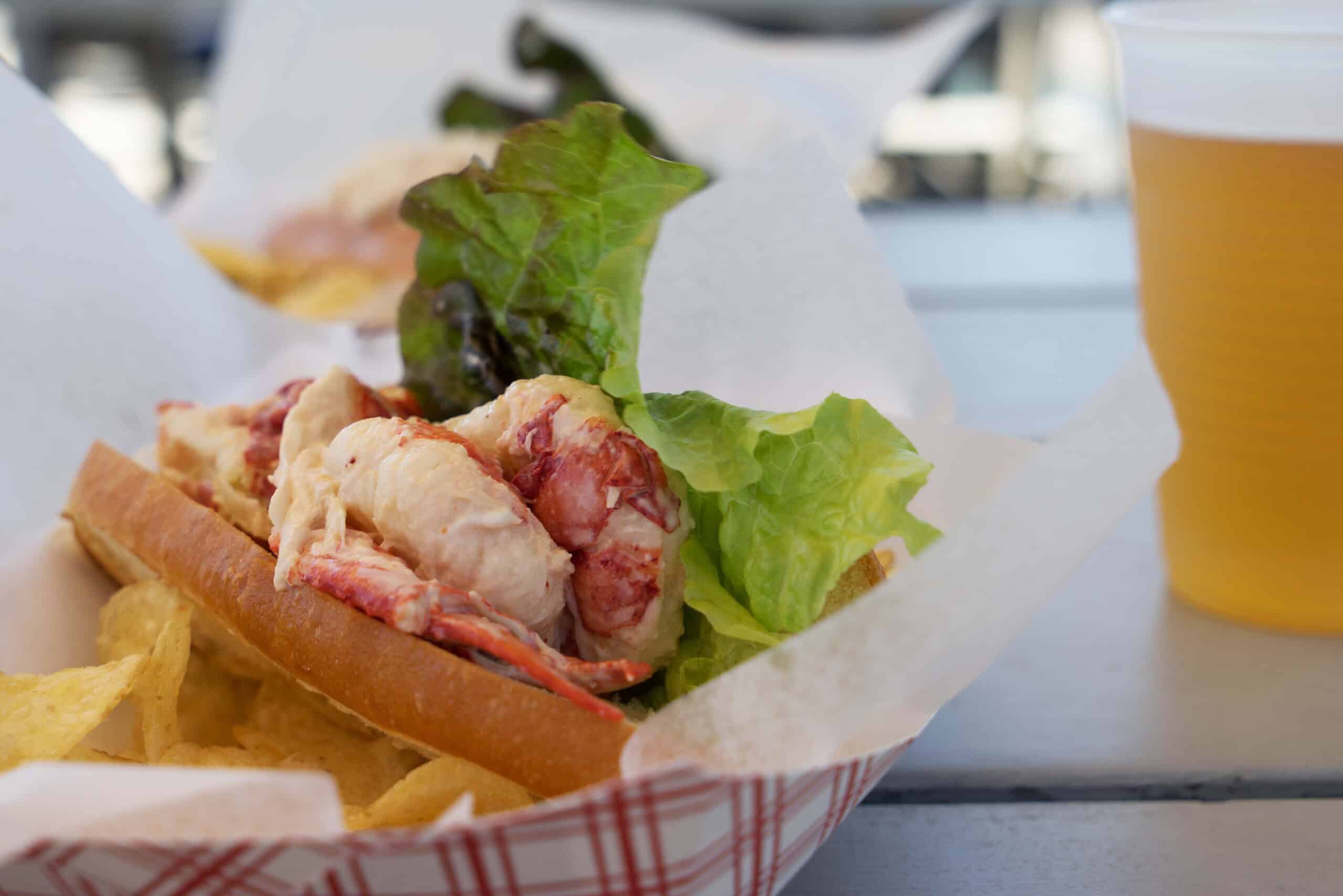
Ristoranti del centro di Camden Maine
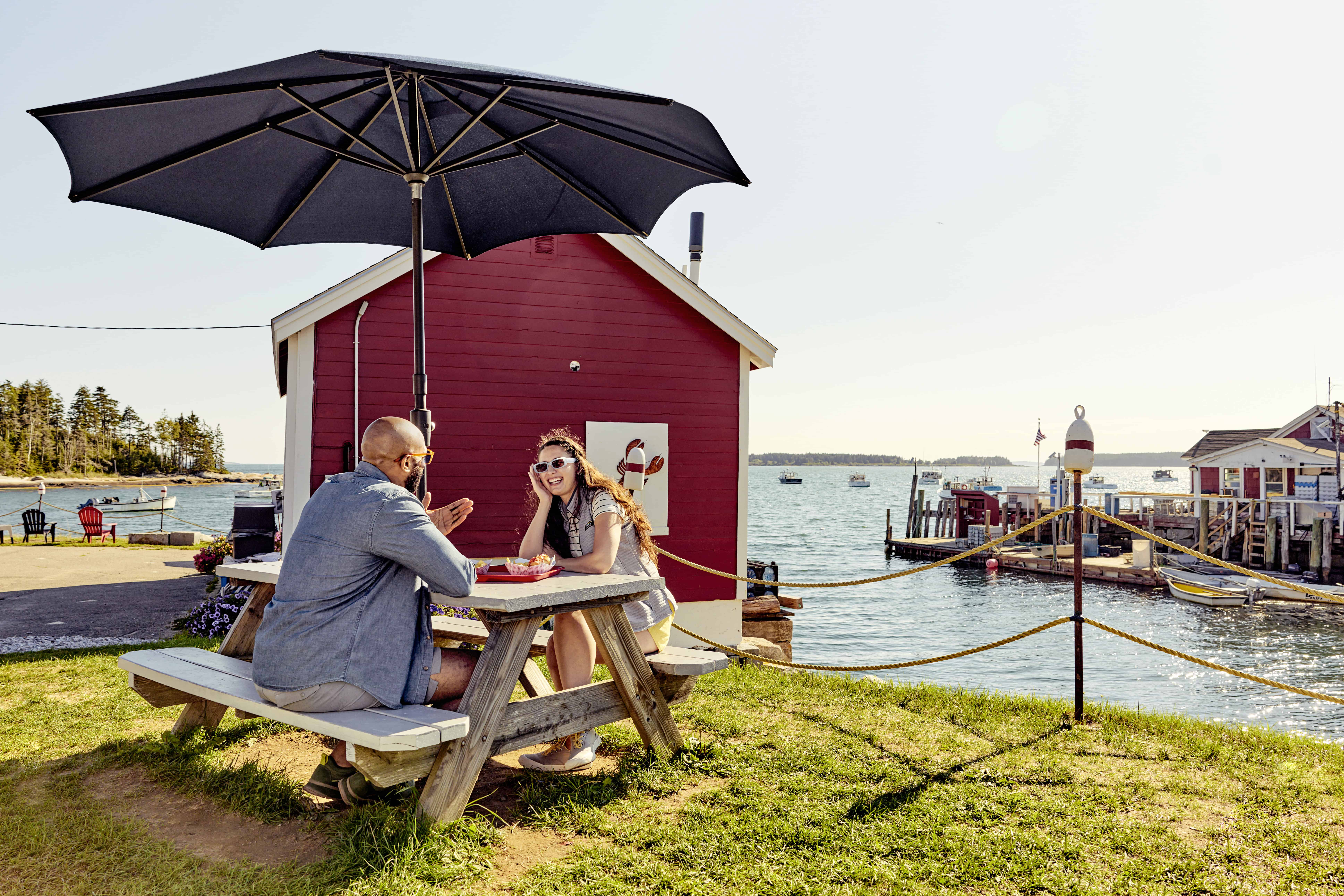
Come e dove mangiare l'aragosta del Maine
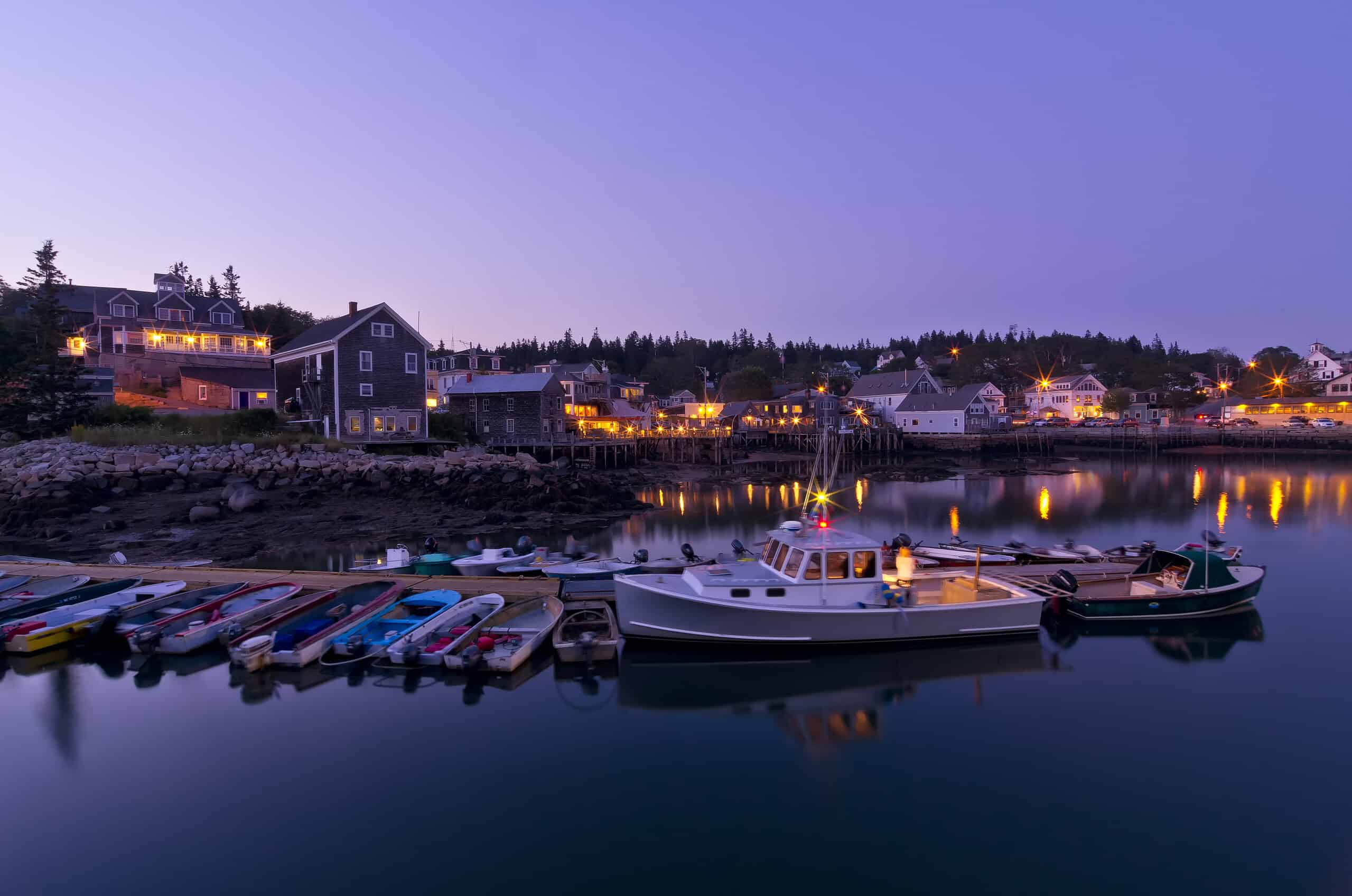
Aragosta di Stonington
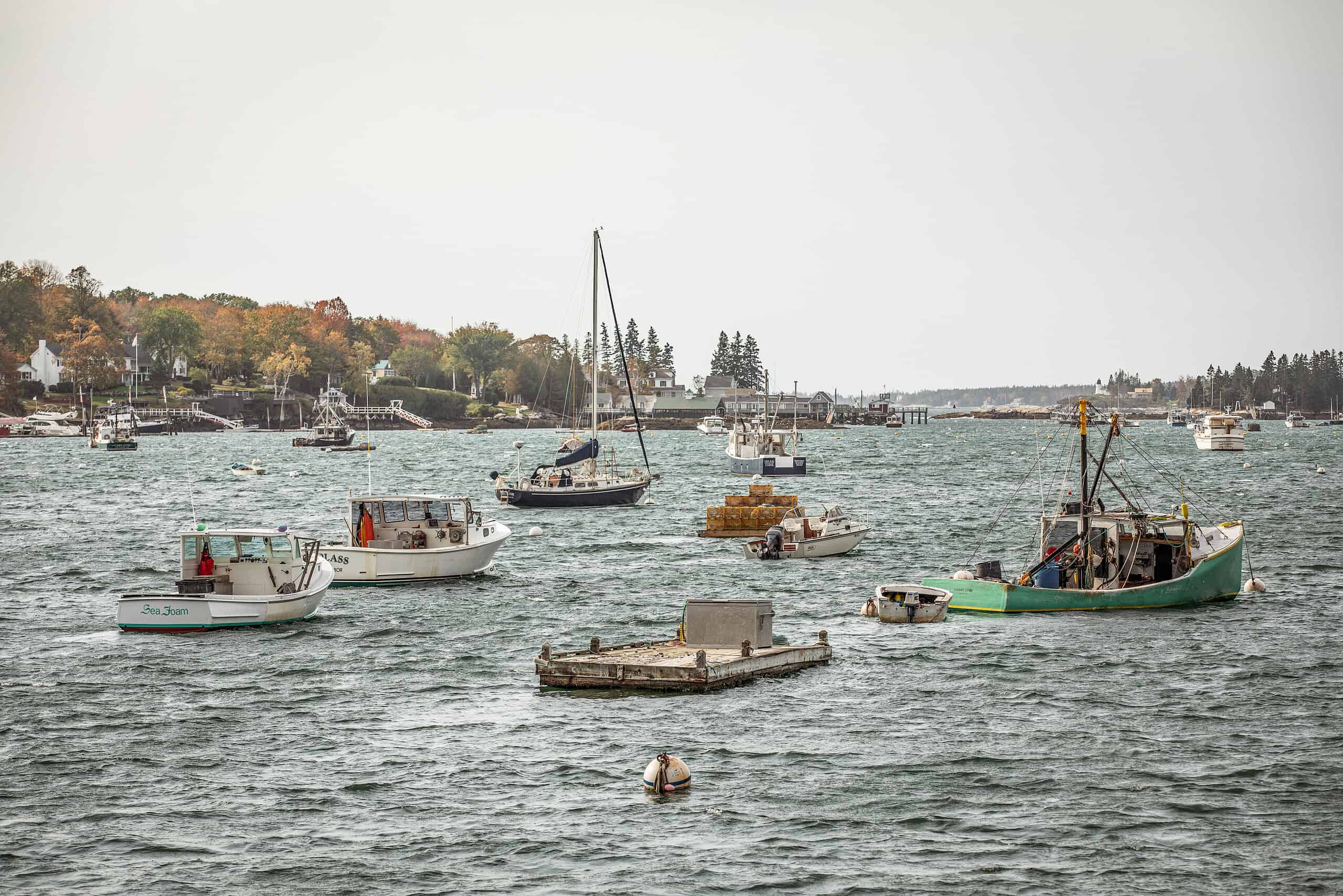
Aragosta di Boothbay
Aragosta di Kennebunkport
Involtini di granchio del Maine