
Weaving Through Maine: Fiber Arts, Farms & Creative Getaways
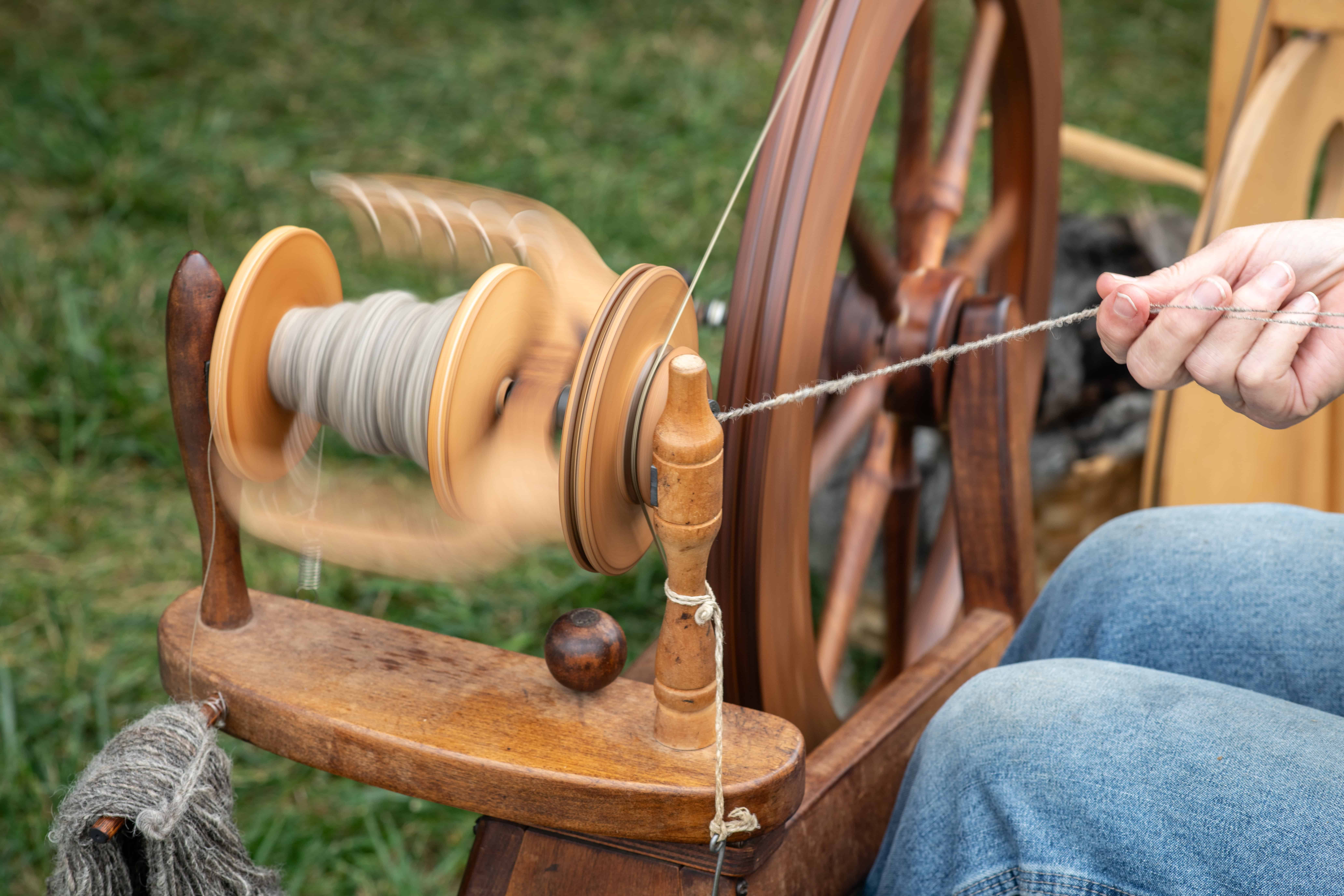
Maine has inspired the best from local and visiting artists for centuries and it’s no surprise that the state has an incredibly rich community of fiber artists. Ranging from the functional to the thought-provoking, this art form includes spinning, knitting, weaving, sewing, embroidery, quilting, beadwork and basket making.
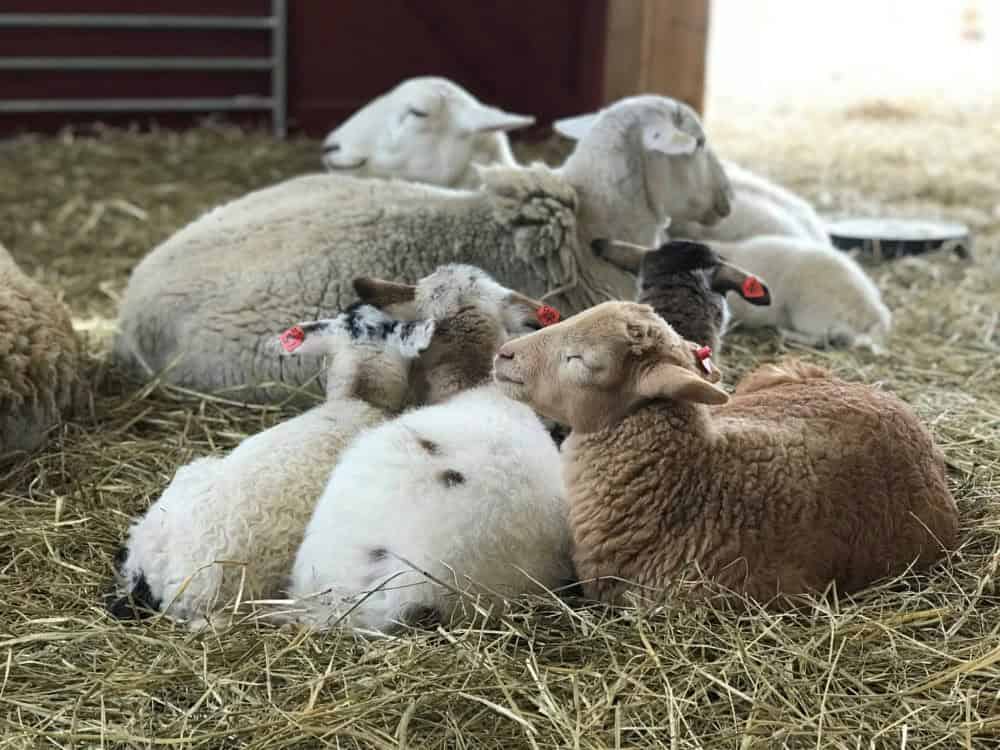
What makes Maine’s fiber arts scene especially unique is its connection to the land. Many artists raise their own sheep and alpacas for wool and you can visit the farms, admire the animals and see how the wool is turned into beautiful skeins of color. From coastal studios and historic mills to working farms and hands-on workshops, there’s a rich tapestry of experiences for visitors to learn traditional techniques, shop for handcrafted goods and discover the stories behind Maine’s thriving fiber arts community.
Maine’s Rich Fiber Arts Heritage
Maine has produced nationally recognized fiber artists and textile makers for generations. Renowned designer Angela Adams creates handwoven or hand-knotted rugs that are functional pieces of art in her Portland shop. Fashion designer Jill McGowan, known for her famed “great white shirt,” has been making fine women’s clothing in Maine since the 1990s, earning acclaim for her beautifully tailored shirts.
For those looking to explore the state’s fiber arts scene more deeply, Maine Fiberarts offers a digital self-guided tour featuring dozens of artist studios, fiber-producing farms, galleries and exhibits. The organization’s visitor center in Topsham hosts year-round exhibitions showcasing some of Maine’s finest fiber artists and provides maps and resources for studio tours throughout the state.
Maine’s textile history also lives on through businesses such as the Bates Mill Store in Monmouth. This family-owned shop specializes in high-quality American-made textiles, including the iconic Bates bedspreads, blankets and throws now produced by Maine Heritage Weavers. Visitors can browse the store’s offerings and learn about the region’s textile-manufacturing legacy through a small museum dedicated to the mill’s history. Or head to Harmony, where Bartlettyarns has been spinning wool yarns at its historic mill since 1821.
Fiber Arts in Greater Portland & Freeport
The Greater Portland region offers a perfect introduction to Maine’s fiber arts community. Portland’s Bayside neighborhood and East End are home to several shops and studios where visitors can learn new skills and connect with local makers.
PortFiber offers classes in weaving, spinning and felting for beginners and experienced fiber artists alike. KnitWit Yarn Shop provides a carefully curated selection of yarns and hosts classes throughout the year. Nearby, sewists and textile enthusiasts will also enjoy browsing Z Fabrics, a beloved fabric store on Congress Street.
Just north of Portland, Freeport combines farm experiences with coastal beauty. Wolfe’s Neck Center for Agriculture & the Environment welcomes visitors year-round to explore working farmland, animal barns, expansive vegetable gardens and scenic trails along Casco Bay. The center offers an opportunity to see firsthand how agriculture and sustainability continue to shape Maine’s landscape.
Fiber enthusiasts visiting Freeport should also stop by Mother of Purl, a local yarn shop known for its extensive collection of yarns, patterns and knitting supplies.
Discovering Fiber Arts Along the MidCoast
MidCoast Maine has become a hub for fiber artists, workshops and textile traditions. In Bath, Halcyon Yarn serves as both a retail destination and educational resource, offering classes and an extensive inventory of supplies for weaving, knitting, spinning and other fiber crafts. The Swans Island Company showroom and factory in Northport is known for its gorgeous handwoven blankets and artisanal hand-dyed yarns.
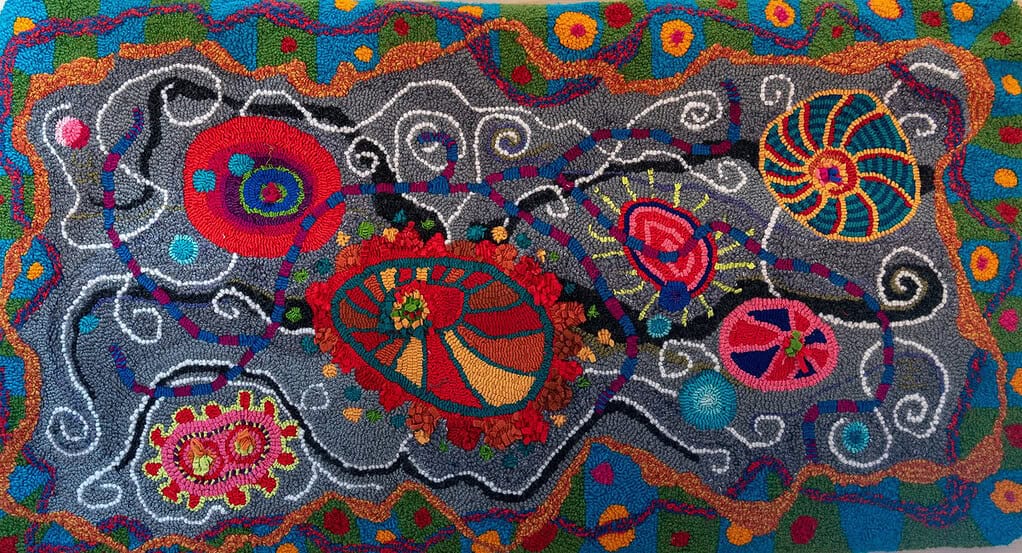
Waldoboro holds a special place in fiber arts history. The town is closely associated with Maine’s celebrated hooked rug tradition, a craft that helped establish the state as a center of textile artistry. Visitors can learn more about this legacy at the Waldoboro Historical Society Museum and through local artists who continue the tradition today.
Maine is widely considered the birthplace of hooked rugs in North America. Historical records suggest the first published account of creating non-woven rugs appeared in a Portland newspaper in 1838. By the late 19th century, Maine entrepreneurs were producing commercial rug-hooking patterns, and Waldoboro became known for its distinctive sculpted floral designs and velvety surfaces of deep pile. Today, rug hooking remains an important part of Maine’s artistic heritage.
The Midcoast is also home to a number of artisan experiences and specialty farms. You can schedule an appointment with textile artist Sara Hotchkiss to view her handwoven works, visit Beauchemin Preservation Farm to learn about heritage livestock and wool production or attend the annual Medomak Fiber Arts Retreat, which brings fiber fans together each summer for a week of workshops and community.
For a truly unique experience, the historic Schooner J&E Riggin offers knitting and rug-hooking cruises departing from Rockland along the Maine coast, combining fiber arts with the timeless appeal of sailing.
Farms, Workshops & Creativity in Maine’s Lakes & Mountains
The Lakes & Mountains region of western Maine offers a blend of agricultural heritage, hands-on learning and creative exploration. Pineland Farms in New Gloucester invites visitors to tour its creamery, participate in a traditional butter-making workshop and explore extensive farmland, trails and gardens.
Also in New Gloucester, Sabbathday Lake Shaker Village preserves the traditions of the Shaker community through demonstrations and workshops focused on basketmaking, weaving, knitting and floorcloths. As the only active Shaker community in the world and a National Historic Landmark, it provides a fascinating glimpse into a culture known for craftsmanship and simplicity.
A Wrinkle in Thyme Farm in Sumner combines fiber arts and agriculture through yarn-dyeing workshops, hand-dyed yarns and maple syrup production. Visitors can learn traditional techniques while enjoying the scenic beauty of Maine’s countryside. Nezinscot Farm in Turner, Maine’s first organic dairy farm, combines agriculture, food and fiber arts with a café, bakery, fromagerie and dedicated yarn and fiber studio.
The region also hosts a variety of educational opportunities. Pleasant Mountain Fiber Arts Workshops in Denmark offers three days of classes in weaving, crochet, tapestry, dyeing and other disciplines each summer, while the Rufus Porter Museum in Bridgton hosts annual workshops in felted painting, rug hooking, tatting, historic gardening and traditional crafts.
Additional stops include Fiber and Vine in Norway and Narramissic, the historic Peabody-Fitch Farm in Bridgton, where workshops and special events celebrate rural Maine traditions.
Learn, Create & Stay Awhile
Whether you’re a lifelong fiber artist or simply curious about Maine’s creative traditions, the state offers countless ways to engage with its textile heritage. Many lodging properties also embrace Maine’s maker culture. Le Vatout in Waldoboro offers getaway packages that feature art workshops like weaving, while Tops’l Farm combines hospitality with opportunities to connect with nature, agriculture and local artisans during farm stays. In Freeport, Harraseeket Inn highlights ingredients and products from local farms and producers, creating a welcoming base for exploration.