
Blueberry Picking in Maine
Ninth-Generation Farmer Ron Howard Preserves an Iconic Harvest
Wild blueberries are woven into Maine’s identity. They blanket rocky barrens each summer, fill roadside farmstands and bakery cases, and have sustained people here for thousands of years. Unlike the cultivated blueberries found in grocery stores, Maine’s wild blueberries aren’t planted in neat rows—they grow where nature intended, shaped by a landscape that has been perfecting them since the last Ice Age.
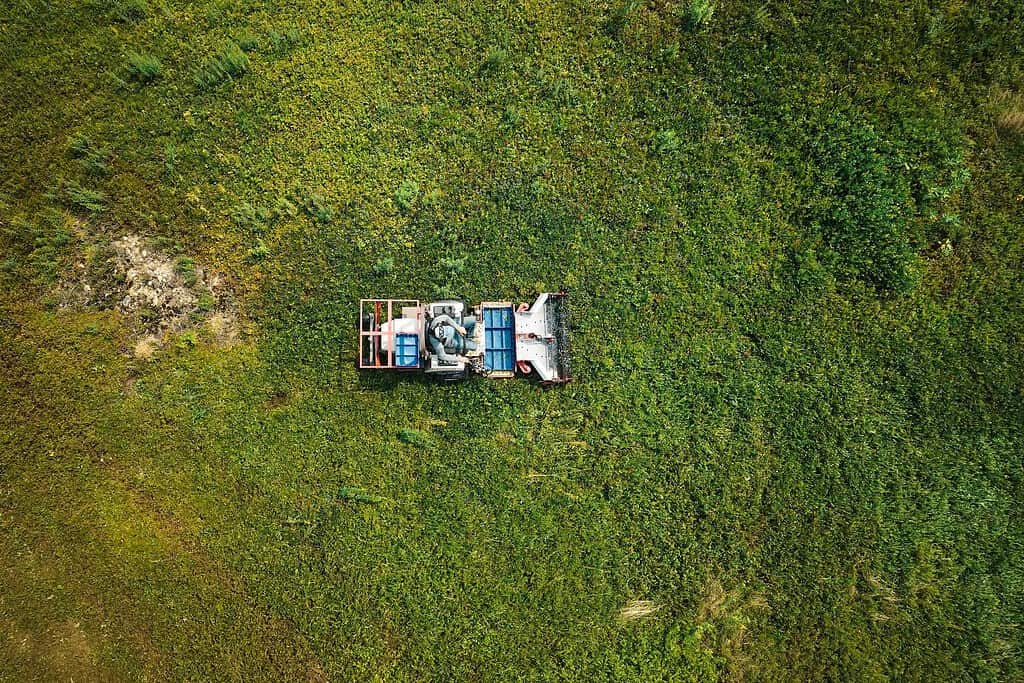
The wild blueberry was one of the first plants to return after the glaciers retreated, growing in bare sand and rock where little else could survive. A partnership with a fungus in the thin, acidic soil allows it to draw nutrients other plants can’t reach. “To me, there’s nothing more Maine than wild blueberries,” says Ron Howard, who farms 170 acres of wild blueberries at Brodis Blueberries in Hope. “They were one of the first plants that started growing here after the glaciers receded,” predating lobsters and even pine trees, the two things Maine is perhaps best known for.
That remarkable beginning is one reason Maine still produces an estimated 98 to 99 percent of the wild blueberries harvested in the United States. It’s also why the plant resists domestication: dig one up and transplant it, and without that same soil and fungal partner, it typically won’t survive.
It also means farming wild blueberries looks nothing like growing most crops. Nobody plants a wild blueberry; it’s already there, waiting. “We don’t cultivate, we don’t plant,” Howard says. “We just really help maximize the potential that they already have.” That means managing soil acidity, clearing competing brush, trucking in honeybees and bumblebees each spring because the sheer number of blossoms outstrips what native pollinators can reach, and burning or mowing fields flat every other year—a pruning cycle growers believe they learned from people of the Indigenous Wabanaki tribes who stewarded the blueberry barrens long before Europeans arrived, long before these lands came to be known as Maine. New growth follows, and buds, followed by berries, only grow on that new growth.
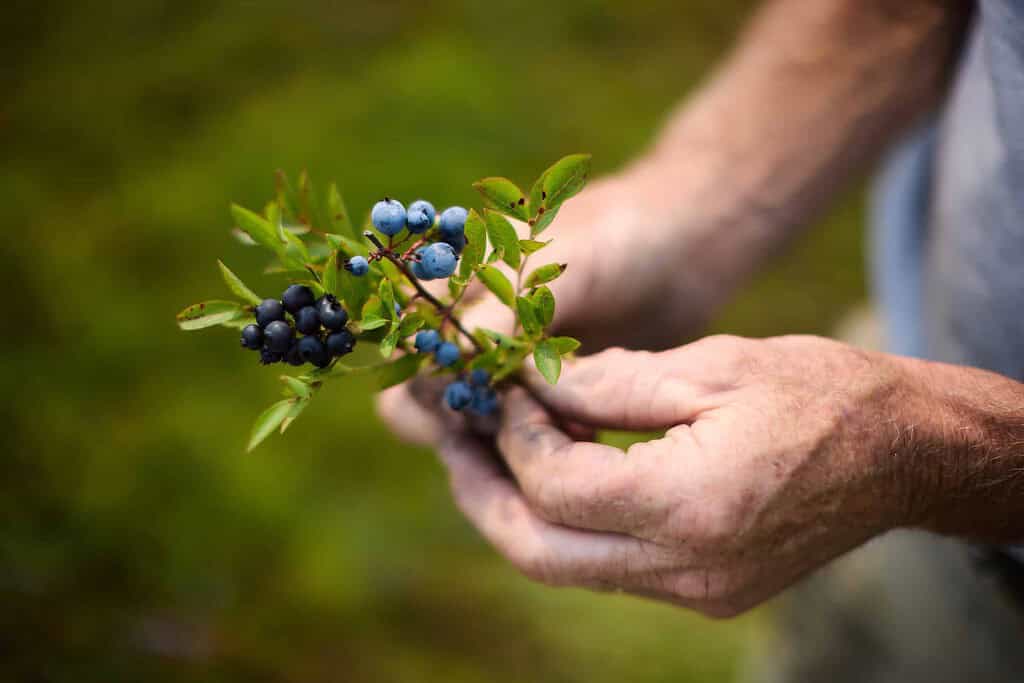
The other strange thing about a wild blueberry barren, botanically, is that what looks like one plant usually is—just not the way you’d expect. Each bush is really a colony, spread underground through a mesh of roots and rhizomes, cloning itself outward until it covers anywhere from ten to fifty feet in diameter, all genetically identical. The barren, though, isn’t a single one of those clones — it’s hundreds of them side by side, growing outward until they meet their neighbor and simply stop, the way tree canopies leave a gap rather than tangle into each other. “Every single plant is genetically different than the next one,” Howard says, far more genetically distinct than two strawberry plants would be, for instance. Color runs from pale blue-white to nearly black between one clone and the next; flavor swings from tart to intensely sweet in the same handful. It’s part of why wild blueberries carry higher antioxidant levels than the cultivated highbush berries bred, generation after generation, for a tougher skin that survives a shipping container rather than for flavor.
That diversity has also inspired the farm to evolve with the times. As the blueberry industry has changed, the family has expanded beyond wholesale, creating new ways for visitors to experience the farm—from a welcoming farmstand to handcrafted jams and spirits distilled on-site. “If we can get up to 90 percent of what we grow, we sell direct,” Howard says, “the farm can be sustainable.”
When his father-in-law passed away and the family had to decide whether to keep farming or sell the land, the answer was clear. “We had the nine generations, the 1757 heritage,” he says. “We said no.” Instead, they chose to invest in the future, building a business that honors the past while creating new opportunities for generations to come.
Howard believes that spirit of adaptability is key to the farm’s future. Just as a wild blueberry barren thrives through genetic diversity, he sees strength in creating a variety of opportunities for the family. “Not only having diverse genetic wild blueberries,” he says, “having diverse opportunities for family members — I think that increases our odds of being able to keep family engaged and going.”
For visitors, that enduring commitment is something you can taste. From late July through August, when the berries are at their peak, the harvest offers a chance to experience the intensely flavorful fruit that has shaped this landscape—and the families who have tended it—for generations.
Blueberry Farms and Attractions in Maine
The harvest window is short — typically three or four weeks in late July and August — so timing a visit takes a little planning. Wild Blueberry Weekend, statewide, is the easiest way in: dozens of farms open for tours and tastings, with a full list at wildblueberryweekend.com.
Know Before You Go: Wild blueberry plants are low and easily damaged underfoot, and many working farms don’t open harvest fields to the public, or have limited U-pick areas. Call ahead, follow whatever a farm posts, and when a field isn’t open, the farmstand is.
Brodis Blueberries, Hope
Nine generations on the same Jones Hill Road land, farming 170 acres on a ridge between Sennebec Pond and Alford Lake. The farmstand sells fresh berries through the harvest and frozen berries, jams, and spirits from the family’s Blue Barren Distillery year-round.
Beech Hill Preserve, Rockport
Coastal Mountains Land Trust opens a portion of its 25-acre certified-organic barren for a free community pick each July. Bring your own container; no raking, no dogs.
Welch Farm, Roque Bluffs
Six-generation farm on the shores of Englishman’s Bay, offering farm tours all spring and summer plus cabin rentals for staying through harvest.
Fields Fields Blueberries, Dresden
A certified-organic, second-generation farm above the Kennebec, with wild blueberry leaf tea and honey alongside the berries.
Wild Blueberry Heritage Center, Columbia Falls
Part museum, part regional welcome center, with exhibits on the crop’s Wabanaki and agricultural history and an up-to-date list of nearby farms open to visitors.
From the Farm to Your Table
Craving a taste of Maine? Visit wildblueberries.com for recipe information, health benefits and where to find wild blueberries year-round.
This story was written and photographed by Cam Held, co-editor of Maine the Way, whose work documents the people, places and details that define life in Maine.