
Life of a Maine Lobsterman
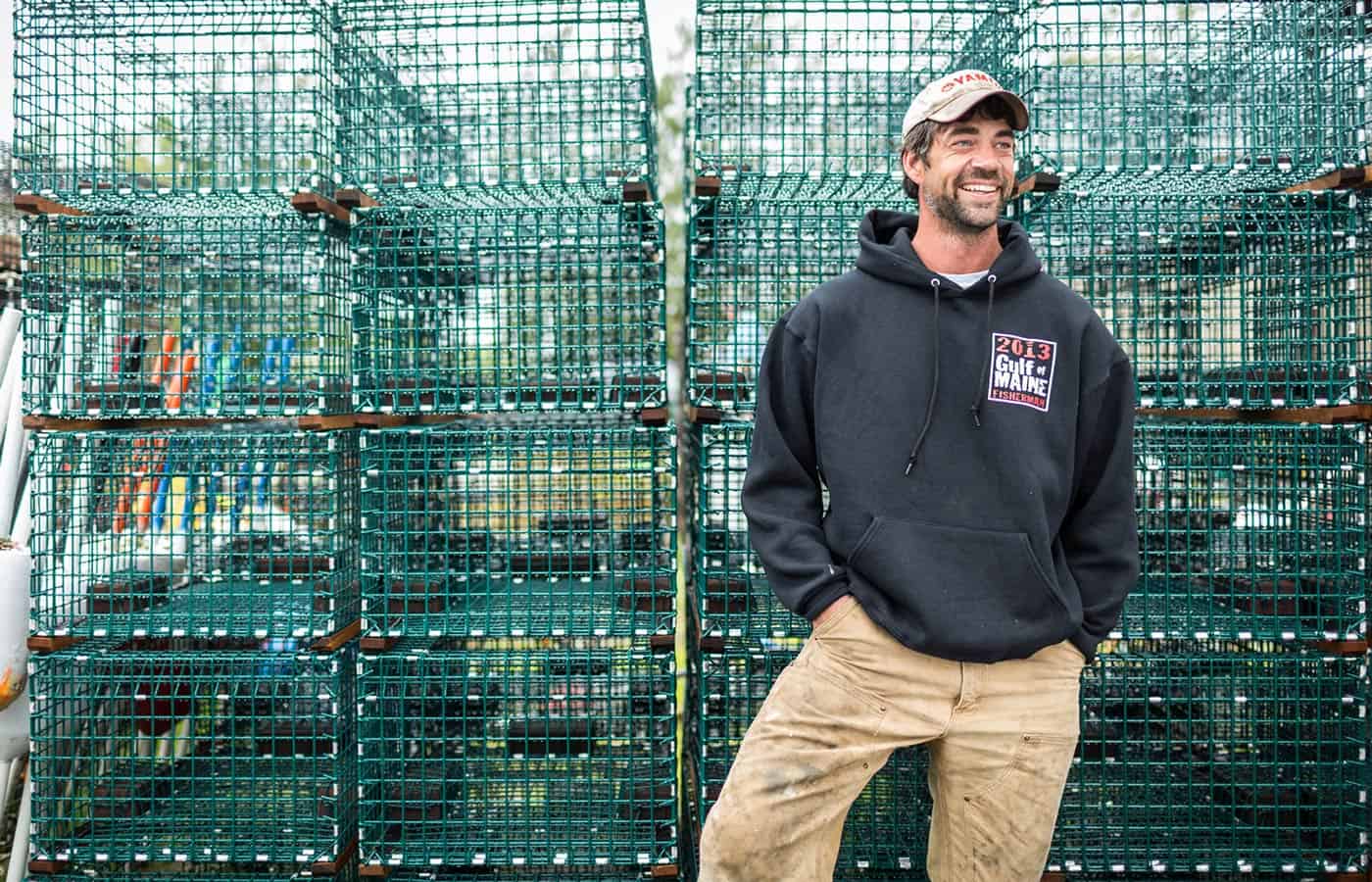
Before Herman Coombs falls asleep at night, his mind drifts to the ocean floor—checking traps, replaying weather patterns from years past, refining the mental map of the Atlantic he’s been building his entire life. For Herman, lobstering isn’t a job you clock out of. It’s a way of being. He and his wife, Monique, eat, sleep and breathe the rhythm of the sea from first light to dusk. When she married Herman, Monique knew she was also committing to the ocean—and she wouldn’t change a thing.
The lobstering community in Maine is an independent bunch, smart and savvy when it comes to the intricacies and traditions of trap placement, boat care, and navigating the open seas. Often characterized as strong-willed, independent and introverted folk, they keep to themselves while single-handedly keeping the Maine lobstering tradition afloat. Monique suggests that the best way to get a fisherman to talk is by asking about either his boats or his fish, noting that a lobsterman’s boat becomes an honorary member of the family – often named after a mother or a daughter (it’s considered bad luck in the lobstering community to name your boat after your wife, as they “can come and go”), a fisherman’s vessel takes on its own personality.
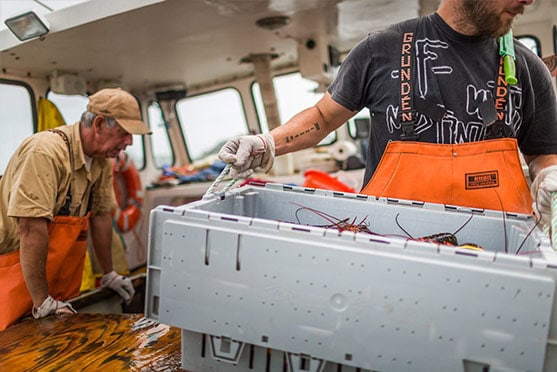
Lobstering is grueling, tradition-bound work, shaped by early mornings, physical endurance and a deep, hard-earned understanding of the water. Long before most people wake, lobstermen are already hauling traps by hand, scanning the horizon for the flash of their own buoy colors among the waves.
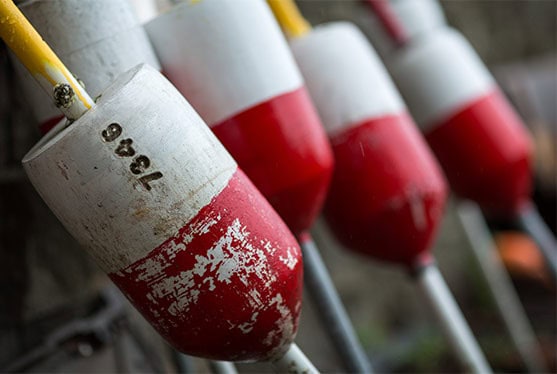
The buoy in Maine lobster culture is the nautical equivalent of a medieval knight’s coat of arms: Each lobsterman paints his own design in his own color scheme on his buoys, effectively marking his trap territory. Just as family crests became intricate works of art, the lobsterman’s buoy is an example of functional art born out of necessity but made iconic through its innate aesthetic worth.
On any given day, Herman may haul anywhere from 200 to 1,500 pounds of lobster. Inconsistency is part of the bargain; a slow day is met with the faith that tomorrow will be better. Commercial lobstermen in Maine are able to set a legal maximum of 800 traps, but most aren’t able to tend the full 800, so success depends on far more than muscle. A lobsterman must read weather like a meteorologist, understand the ocean floor like a cartographer and navigate the complex social codes of harbors, dockside life and mindful harvesting.
Here, stewardship isn’t a buzzword—it’s essential to the survival of the industry. To this end, the Maine lobster industry prides itself on being a model of sustainable fishing and has the credentials to prove it. Certified by the Marine Stewardship Council, the lobster industry practices sustainable fishing because it protects the ecosystem they revere and depend upon. The quest for sustainability in Maine has never been a question, but rather a promise to the next generation that lobstering will remain a viable way of life along the coast.
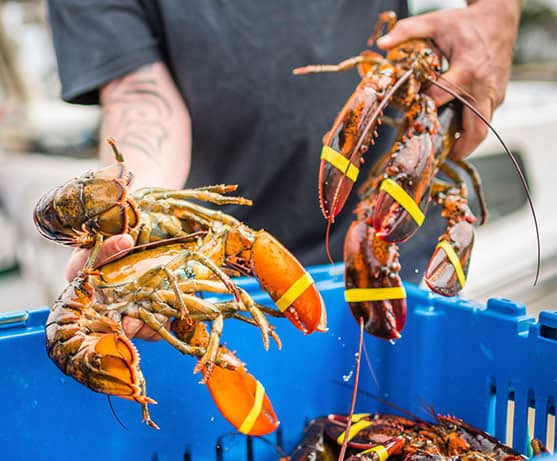
As Herman Coombs closes his eyes at night after a long day at sea aboard his lobstering boat, his body continues to sway with the waves, the smell of saltwater fills his nose, and the topography of the ocean floor is as clear to him as his own living room. Herman plans out tomorrow’s trap placement and the calls he’ll need to make to sell the day’s catch to area restaurants and falls asleep sure to dream of the Atlantic. He wouldn’t have it any other way.

Lobster Boat Tours
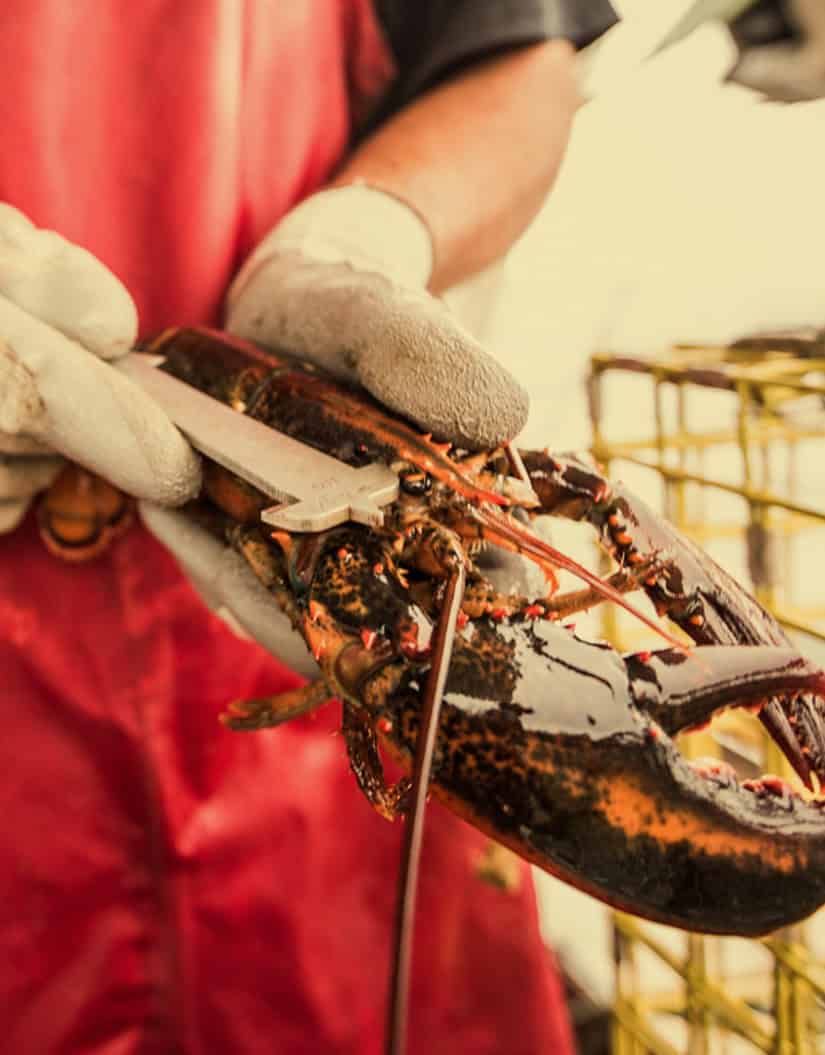
Stepping aboard a lobster boat in Maine is like slipping behind the curtain of one of the state’s most iconic traditions. And on lobster boat tours, you’re not just watching from the sidelines—you’re learning the rhythms of the tide. Don rubber gloves to help haul traps and learn how to size up each lobster, keeping only those ready for the table and returning the rest to the sea to grow. On many trips, you can purchase your catch straight from the boat, then cook it yourself or have a nearby restaurant prepare it just hours out of the water. Along the way, boats cruise past historic lighthouses and rugged coastal landmarks, with frequent sightings of seals, porpoises, and—if luck’s on your side—whales.
Lobstering Exhibits and Educational Experiences
At Bath’s Maine Maritime Museum, the permanent “Lobstering & the Maine Coast” exhibit turns humble buoys into vivid storytellers. Donated by working lobstermen, each buoy unlocks photos, boat names, home ports, and personal tales via interactive screens—an ever-growing portrait of life on the water.
The Maine Lobster Museum takes a different tack: a fully digital, play-forward experience that explores lobster biology, sustainability, food culture and pop lore through games, online exhibits and surprising facts—no boat rides required.