Breaking Bread with Barak Olins of ZU bakery
From Boatbuilder to James Beard Award-Winning Baker
Long before Barak Olins became one of the country’s most celebrated bakers (receiving a James Beard Award for Outstanding Bakery in 2024), he came to Maine to build wooden boats.
He arrived in the MidCoast to apprentice in traditional boatbuilding, learning first how to sharpen tools and select wood before ever touching a hull. What he discovered there was not only a craft, but a worldview: one rooted in patience, restraint and respect for tradition over novelty. “I saw what was the most beautiful sailboat I’ve ever seen, and realized that in many ways, innovation wasn’t the important thing in boatbuilding—that tradition was,” he says.
That philosophy would eventually guide him from the boatyard to the bakery.
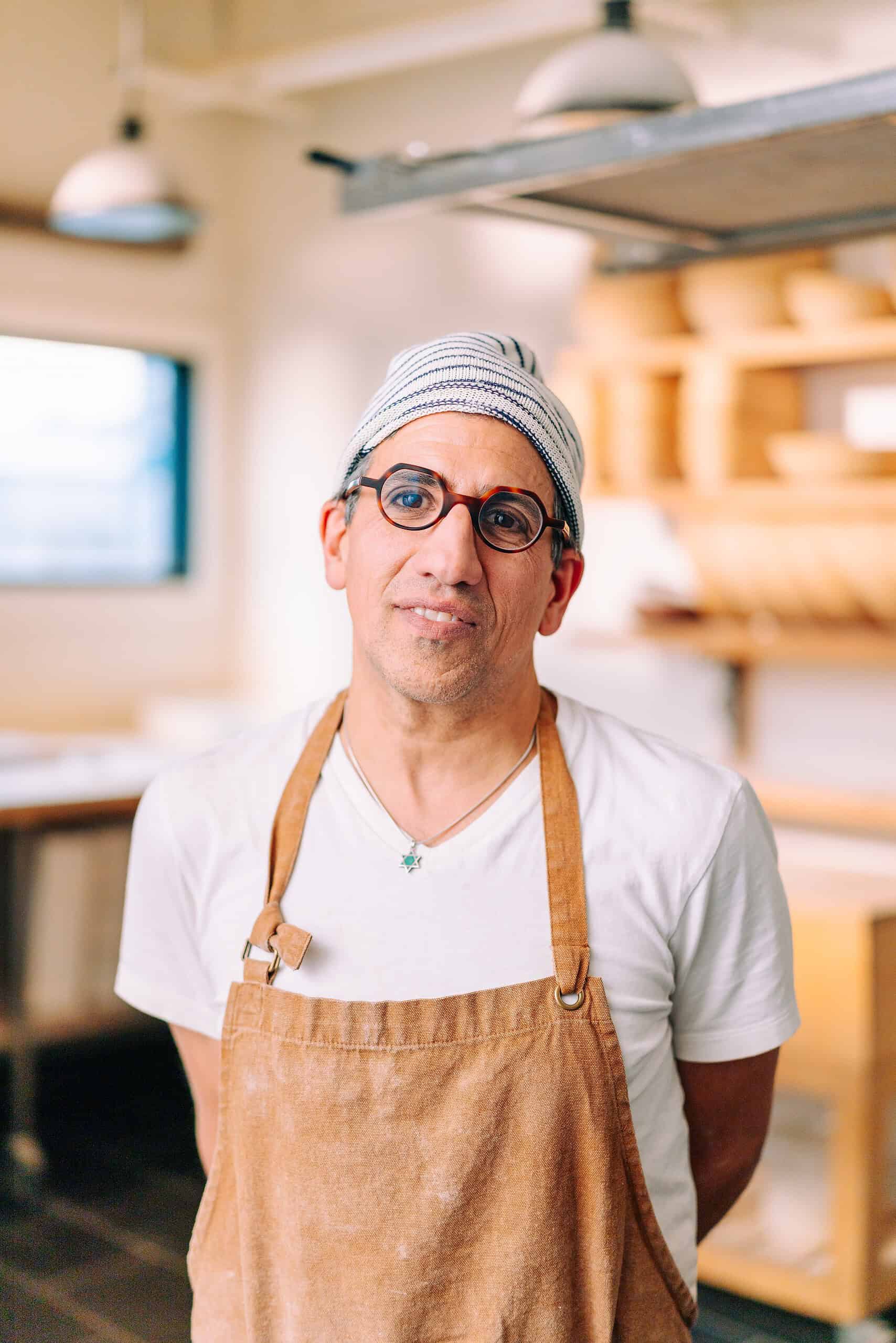
Olins fell in love with Maine through its community—“incredibly talented, hardworking, resilient people,” as he puts it—and through a culture where making, fixing and building weren’t just seen as hobbies but as a way of life. Bread, he realized, offered an entry point into that world, but unlike boatbuilding, it’s quicker, more approachable and more easily shared. “One of the things I love about bread is that it is immediate and accessible to anybody who wants to come through the bakery doors,” he says.
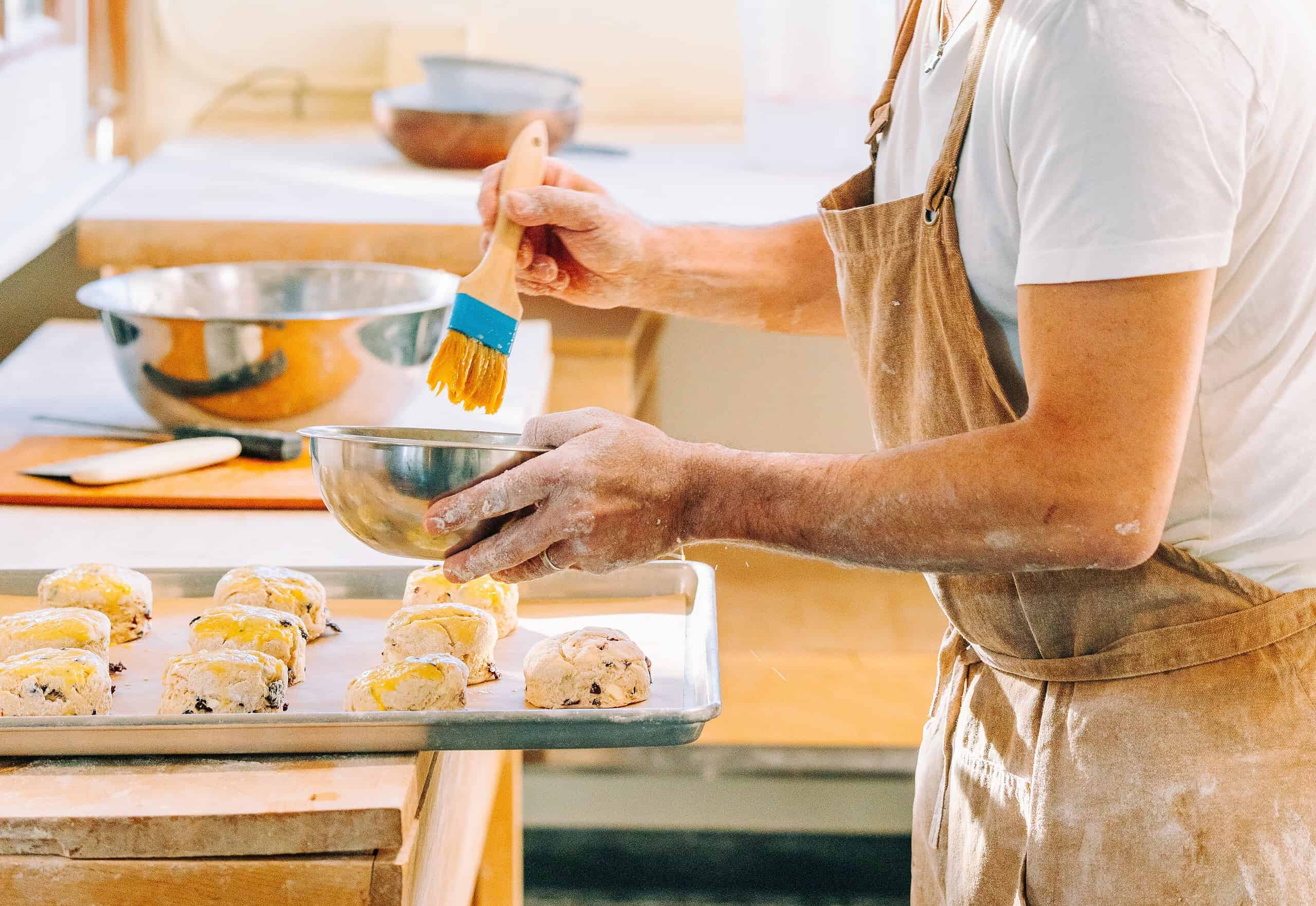
That belief is baked into ZU bakery, his quietly iconic shop in Portland’s historic West End neighborhood. Here, bread is made at a human scale: never rushed, never inflated beyond what the space and the craft can support. Olins mills his own flour, works by hand and adjusts each dough daily based on temperature, humidity and feel. “When I’m in the process of making bread, I’m really paying attention as much to the dough as to the environment of the bakery,” he says.
The result is bread that reflects Maine’s culinary scene itself—variable, intentional and a direct expression of local ingredients.
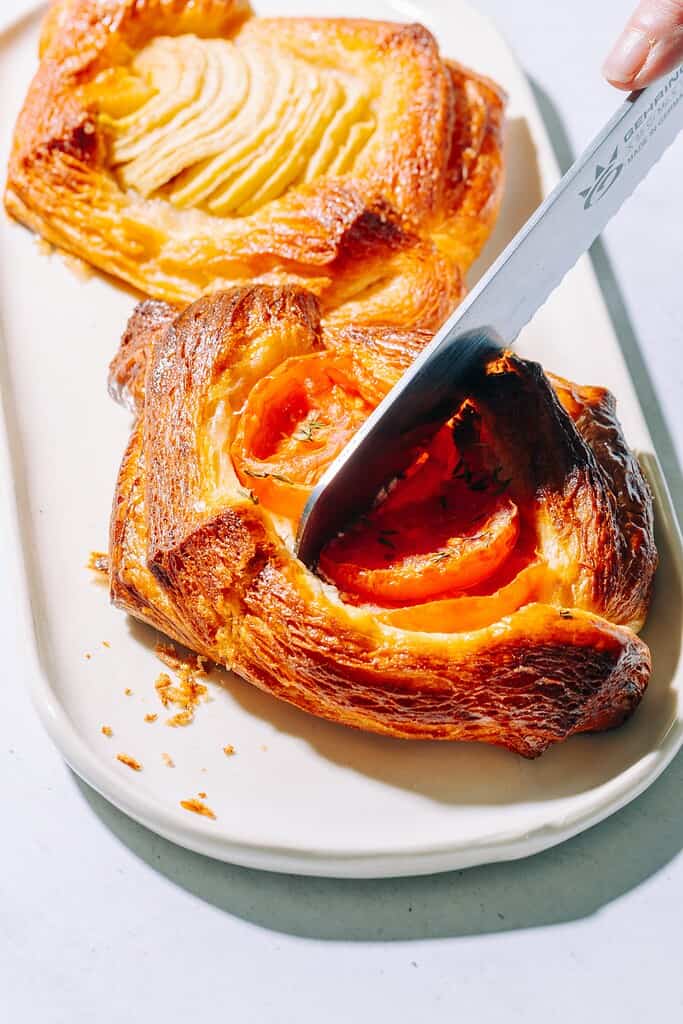
A cornerstone of ZU bakery’s approach is its close relationship with nearby farmers, particularly Crystal Spring Farm in Brunswick. After years of experimentation (and some failures), Olins and farmer Seth Kroeck committed to letting the land lead. The wheat grown there changes every year, influenced by weather, soil health and stewardship. “It’s absolutely beautiful. Tastes like no other wheat that I’ve ever had,” says Olins.
Rather than forcing uniformity, Olins adapts his baking to the grain. He tastes flour raw, mixes it with hot water to release aroma and learns how it wants to ferment. Bread at ZU bakery is stripped down to essentials—flour, water, salt—allowing the variables to speak. “One of the things that I really love most about bread is just how few ingredients there are,” Olins says. “I feel as though what we’re doing is what’s been done for thousands of years.”
Even the tools reflect that lineage. Olins built wooden fermentation troughs himself, inspired by historical methods. Over time, he learned they foster a living biofilm that protects and strengthens fermentation—knowledge passed not from textbooks, but from curiosity, experimentation and conversations with cheesemakers. It’s a process he embraces. “It is absolutely my process to throw roadblocks in my own way and then work my way through that problem,” he says.
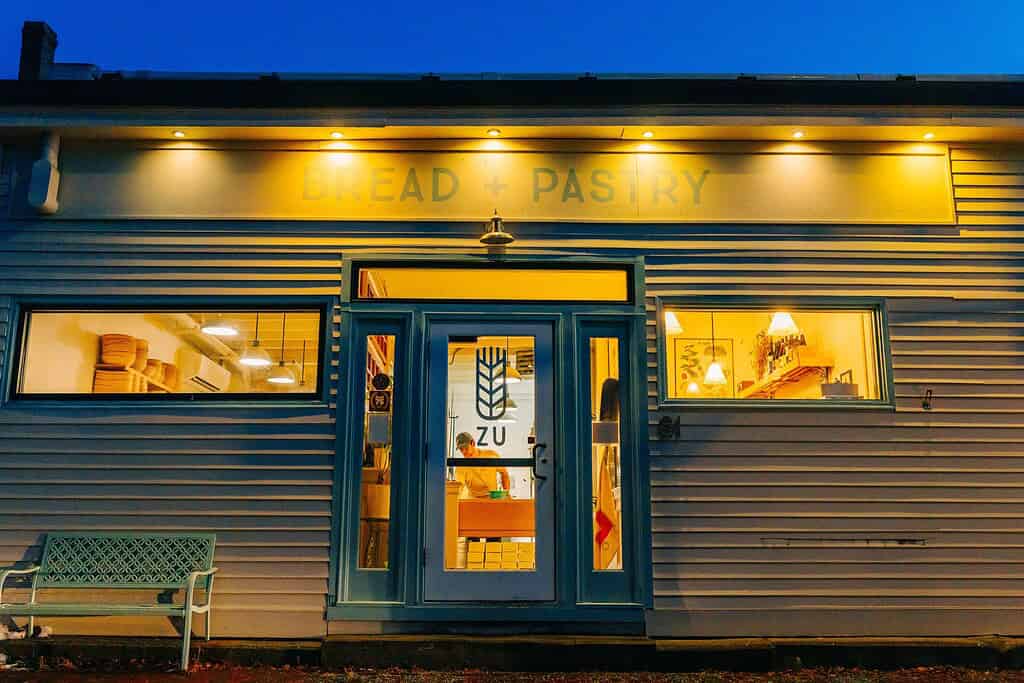
Despite national recognition, ZU bakery remains grounded in neighborhood life. Olins believes communities are built from small storefronts and locally owned businesses, places where transactions include conversation, connection and familiarity. He notices what others might overlook: people talking in line, strangers meeting, no one tuned out. “I never see people with earphones on when they come in here. They seem to be kind of awake to the surroundings,” he reflects. “There’s the exchange of money for bread, but there’s also just the exchange of friendship.”
For Olins, the deepest reward comes when bread triggers memory, especially for older customers who recognize something familiar in a slice. “If somebody older… tastes the bread that I make and has some recollection of their past… that’s kind of as powerful a gift as I can give,” he says.
That sense of continuity—between past and present, farmer and baker, hand and tool—is not about perfection or scale, but about care, attention and staying rooted in Maine.
Related Content
Maine Ceramic Arts
Meet the Maine Turkey Farmers
Featured Maine Maker: Maine Fly Company

The Art of Cooking with Fire
Ployes – What They Are and Where to Find Them
Maine’s Iconic Diners

The Scoop on Maine’s Ice Cream Stands
Craft Beer in Maine