Maine Cooking Classes Worth Traveling For
On an early fall morning in Lincolnville, sunlight washes over the sloping acreage of Salt Water Farm while a cool, salty breeze drifts in from Penobscot Bay. The fields and gardens hold quiet treasures waiting to be revealed: hot-pink Chioggia beets, pebbled dinosaur kale, fragrant herbs. Here, cooking begins long before anything touches a flame.
“We really celebrate a moment in time in the Salt Water Farm kitchen—we cook whatever is ripe and in season that day or that week,” says founder and cookbook author Annemarie Ahearn. “We encourage people to use recipes as their guide and their senses (smell, sight, taste, sound) as their primary tools.”
Across Maine, cooking isn’t just a skill—it’s a connection to place, a celebration of the bounty from land and sea, where culinary traditions honor fresh ingredients and resourcefulness. That ethos infuses Maine’s growing landscape of cooking classes, where home cooks can pick up new kitchen skills, gain confidence and experience the flavors of Maine in a more intimate way.
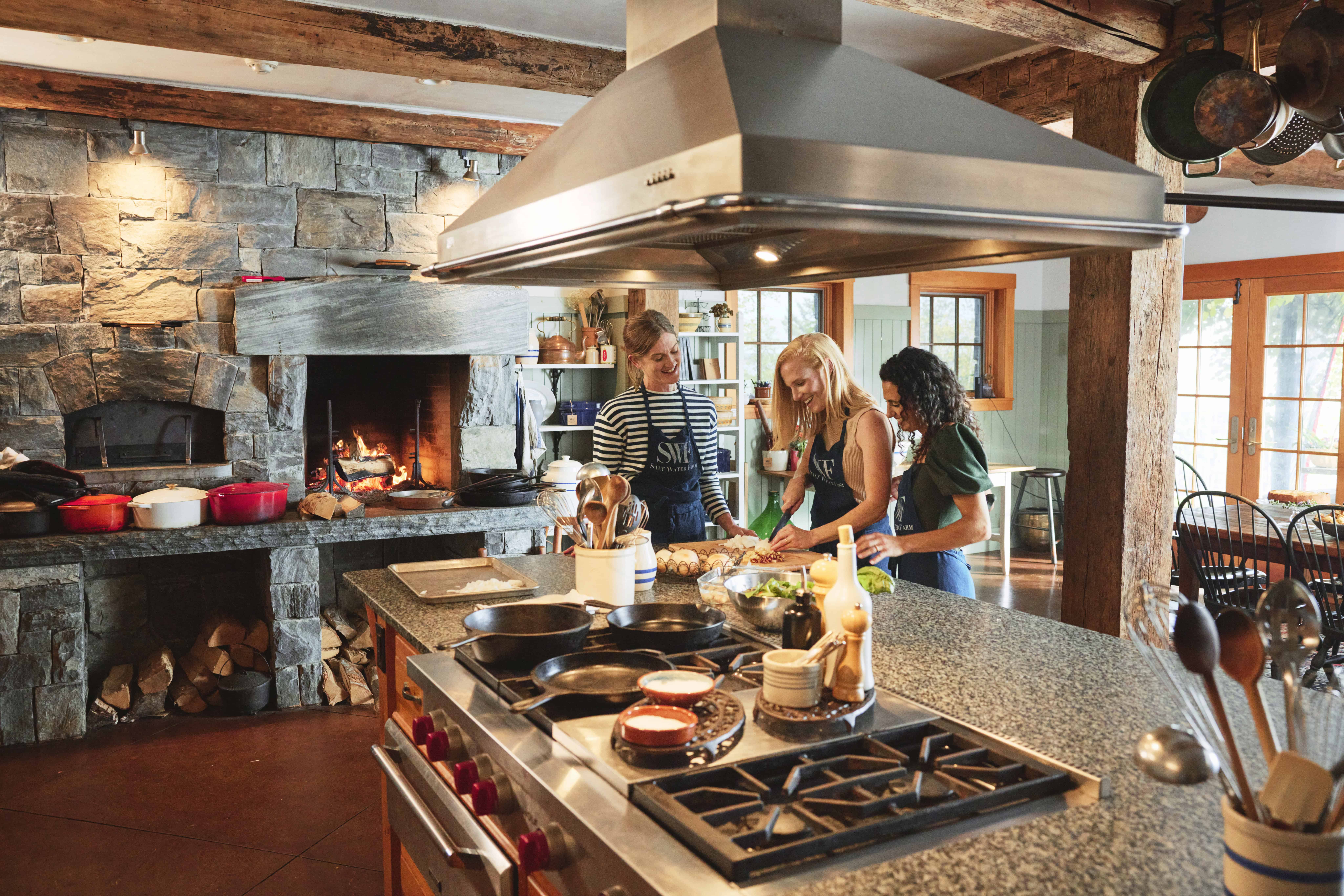
Salt Water Farm is part kitchen, part classroom, part philosophy. Ahearn built her school around a belief that cooking should be intuitive, grounded by nature and shared with others.

“Many of our students come from more urban areas,” she says, “and when they pull a carrot out of the ground or pick an apple from the tree, it is a rather profound experience for them. It’s such a joy to see people bring the earth’s bounty into their cooking practice.”
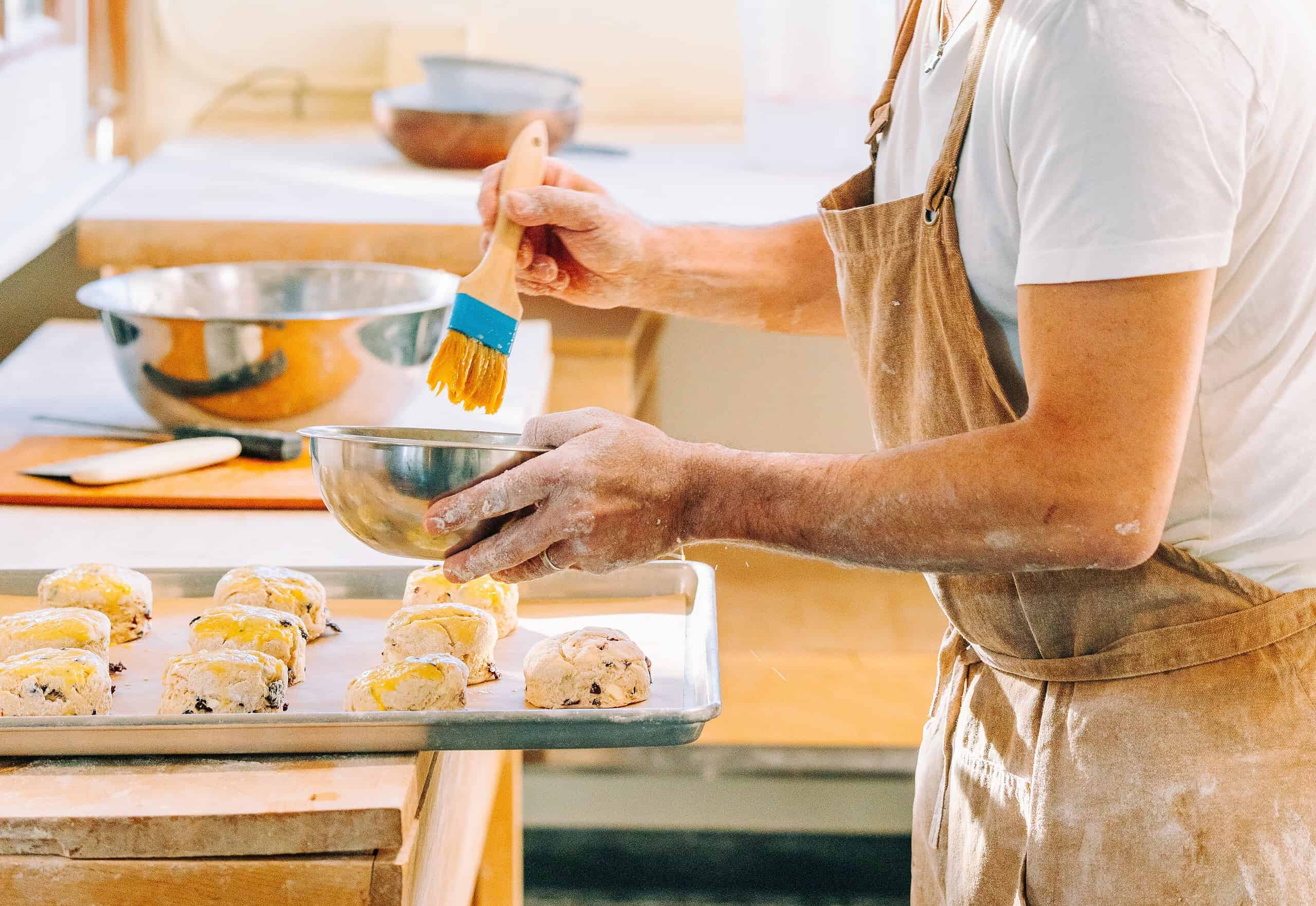
Classes are intentionally small and seasonal, ranging from bread baking and seafood preparation to food storage and wood-fired meals. Each ends in a communal feast overlooking the coast.
“All of our meals are served family style, which allows people to literally ‘share’ a dish,” Ahearn says. “This promotes the discussion of the meal preparation and it’s a wonderful way for people to commune around something that binds us: food.”
Salt Water Farm also offers five-day MasterClasses, immersive programs blending cooking with farm excursions, local markets and time spent learning deeply rooted techniques. “It’s sort of like a camp for adult foodies,” Ahearn says with a laugh. But beyond technique, her hope is to build confidence.
“My hope for all my students is that they can trust themselves more in their own home kitchens. I truly believe that we are born with an innate instinct to cook.”
In Portland’s quiet Deering neighborhood, Bravo Maine! brings small-town charm to international cuisine. Inside a former home turned commercial kitchen, instructors guide students through approachable, drop-in classes that span Italian pasta-making, from-scratch croissants and Thai specialties. These aren’t passive demonstrations—guests are kneading, whisking, tasting and plating in no time.
Bravo Maine’s strength lies in its accessibility: most classes last just a few hours, making them ideal for travelers who want a hands-on experience that still leaves time for sightseeing. Class menus change seasonally, often incorporating Maine ingredients like crab, clams or wild blueberries.
In Historic Downtown Bath, Now You’re Cooking is part kitchen supply shop, part community hub. It’s been a local staple for over 25 years, and today, its drop-in classes range from international dishes like dim sum and Indian meatballs to seafood-focused menus featuring local ingredients.
Knead & Nosh brings cultural storytelling into every class. Held in various locations including Brunswick, Windham, Boothbay and Waldoboro, these workshops explore the culinary traditions of China, Japan, Korea and beyond. Learn how to fold dumplings by hand, build fragrant broths or shape molded mooncakes.
Classes are relaxed but full of expert technique—perfect for families, couples or friends looking to try something new together. There’s a sense of camaraderie that builds between bamboo steamers and balls of dough, proof that food can bridge cultures and ages.
Hidden among tall pines on Maine’s southern coast, Jillyanna’s Cooking School in Kennebunkport teaches the craft of cooking over fire. Held in a beautifully designed outdoor kitchen complete with a wood-burning oven, classes here focus on rustic, flame-kissed flavors—such as from-scratch Neapolitan pizzas topped with fresh ingredients.
It feels like a dinner party with friends: casual, interactive and full of laughter. Guests gather around the oven and lean in to watch as dough bubbles to life, crackling at the edges as it meets the heat.
Not all Maine cooking involves ovens—or even heat, for that matter—particularly when it comes to ingredients best enjoyed raw and ice-cold.
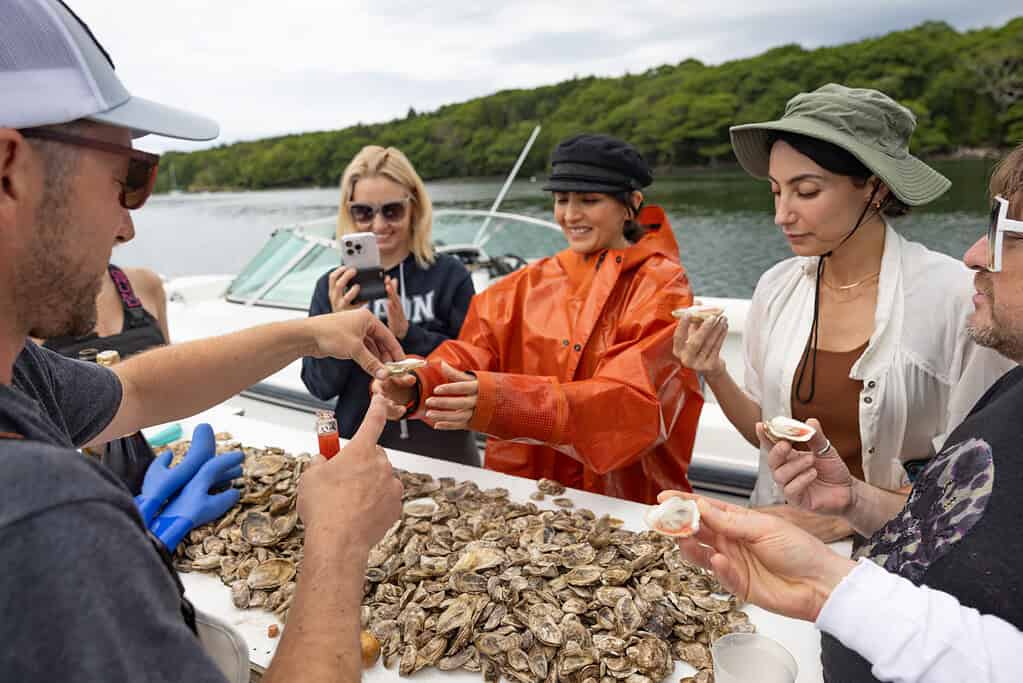
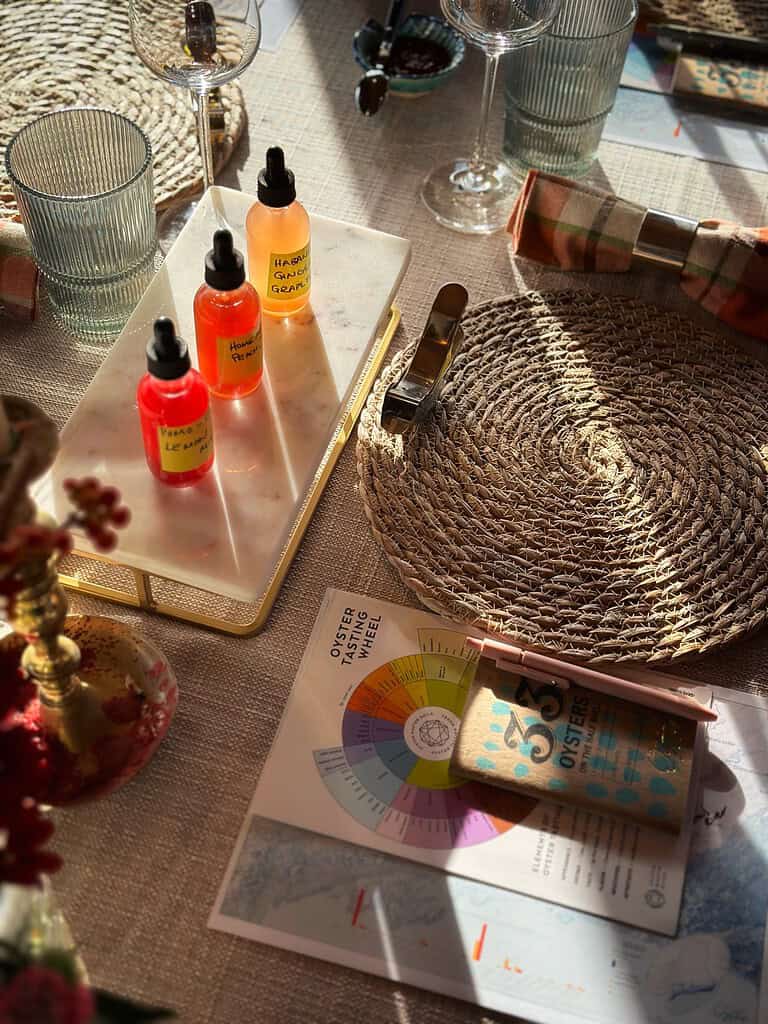
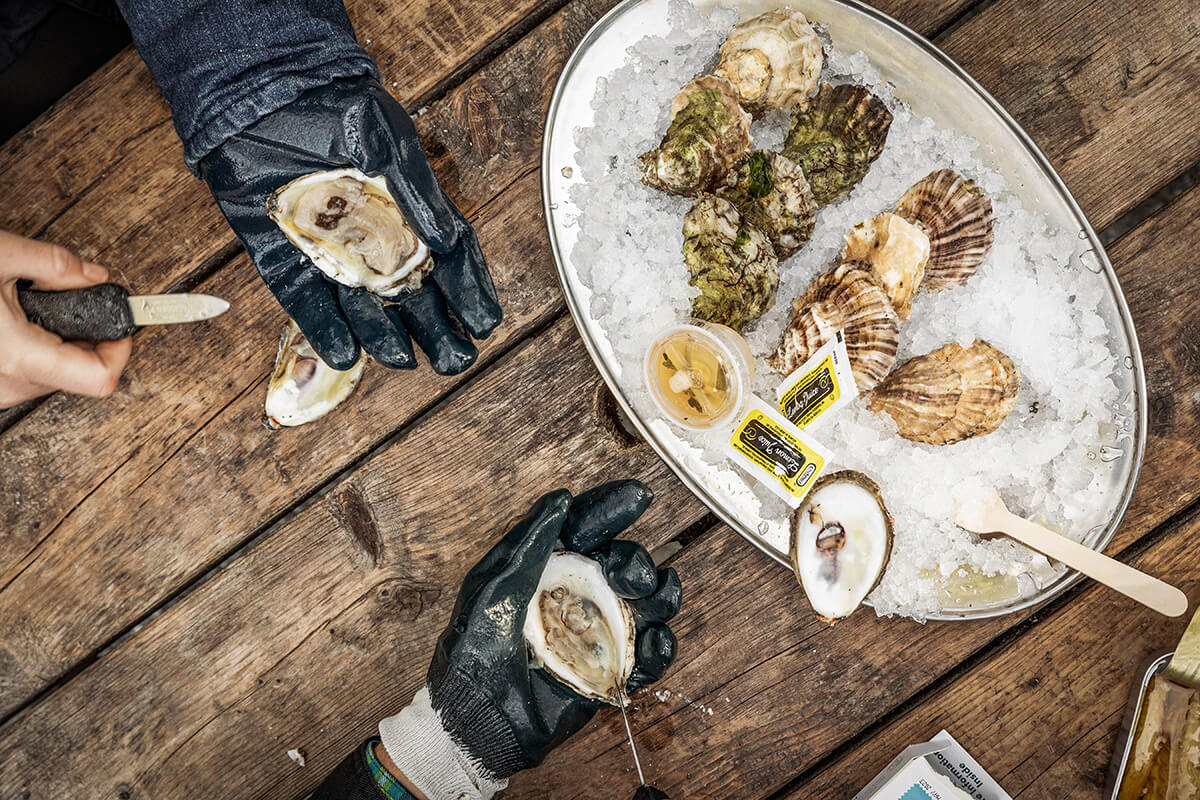
Virginia Shaffer, Maine’s first certified oyster sommelier and the founder of Phippsburg’s Lady Oyster, brings guests directly to the source. Her interactive programs combine farm tours with shucking lessons and guided tastings designed to unlock the terroir (or merroir) of Maine’s coldwater bays. True culinary confidence comes from mastering the basics, and for seafood lovers, that starts with opening an oyster. Shucking may not involve cooking, but it teaches knife safety, product handling and flavor awareness—key building blocks in the kitchen.
“Once an oyster is removed from the water, it bottles a small sense of place,” she explains. “The sheer number of rivers, bays and marshlands create endless ‘thumbprints’ for oyster flavor.”
Her passion is rooted in storytelling. During tastings, she connects each oyster to the people and heritage behind it. “The very presence and success of oysters in Maine says so much about who we are! It signifies that we are great stewards of our waterways … and that we have strong community values.”
A Lady Oyster class is as much about reflection as it is about flavor. “The tasting process itself is a ceremony that engages all of the senses and helps us stay present,” she says. “Each discussion on taste helps our guests better understand Maine and feel more connected to our seafood culture.”
Her hope is simple: “We want our guests to leave feeling like they’ve truly pulled back the curtain on Maine seafood.”
Whether rolling pasta in a commercial kitchen setting or learning to harvest fresh shellfish on the coast, cooking classes in Maine share a common thread: they encourage people to engage with food in a deeper way. In a world of hurry, they invite us to slow down: touch the ingredients, listen to the sizzle, smell the ocean, taste what nature gives at its own pace.
And sometimes, the greatest lesson isn’t technical at all. As Ahearn puts it, “It only takes seeing something done differently once to change the way you do it for the rest of your life. This is the beauty of a cooking class.”
Related Content
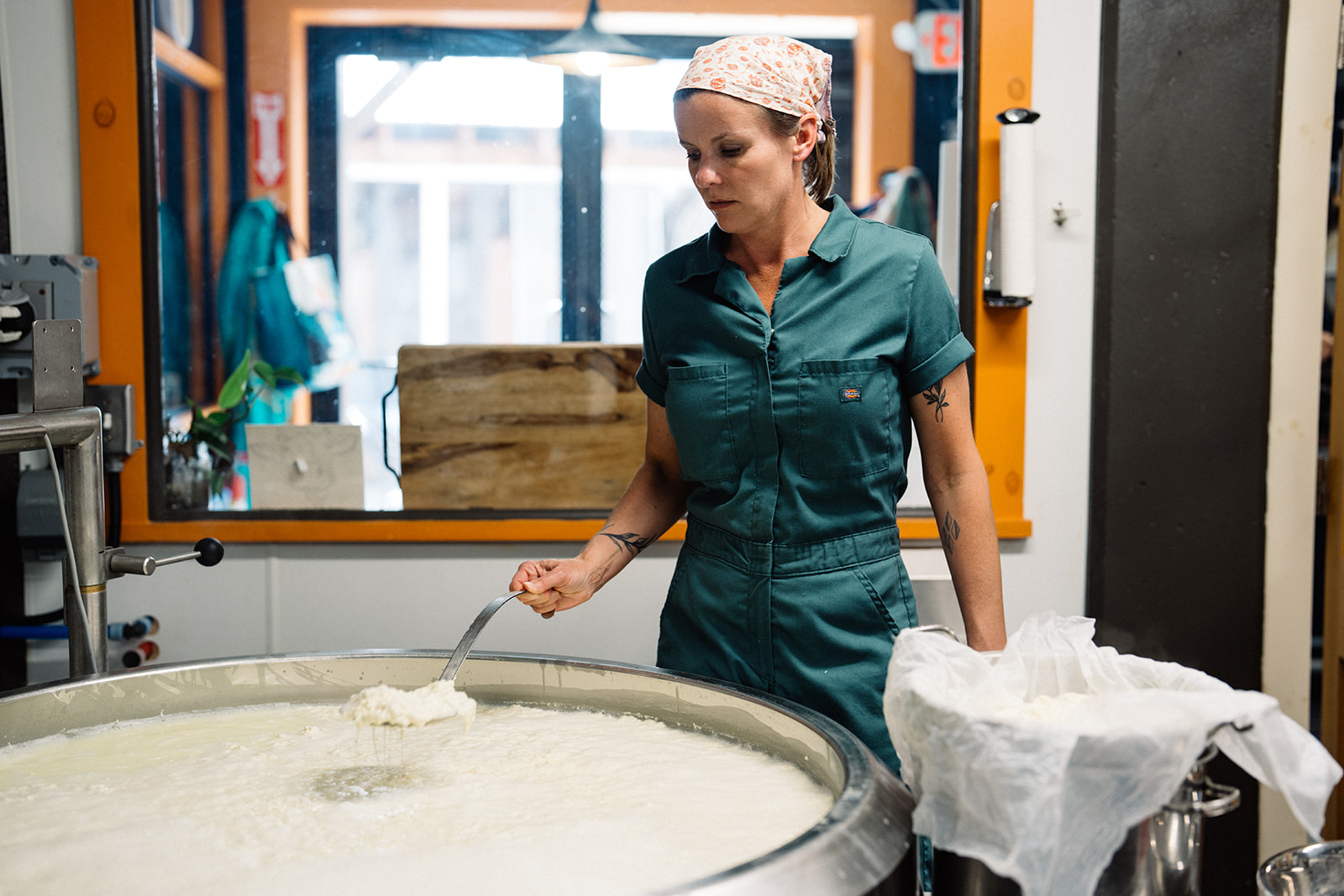
The Ricotta that Put Maine on the Map
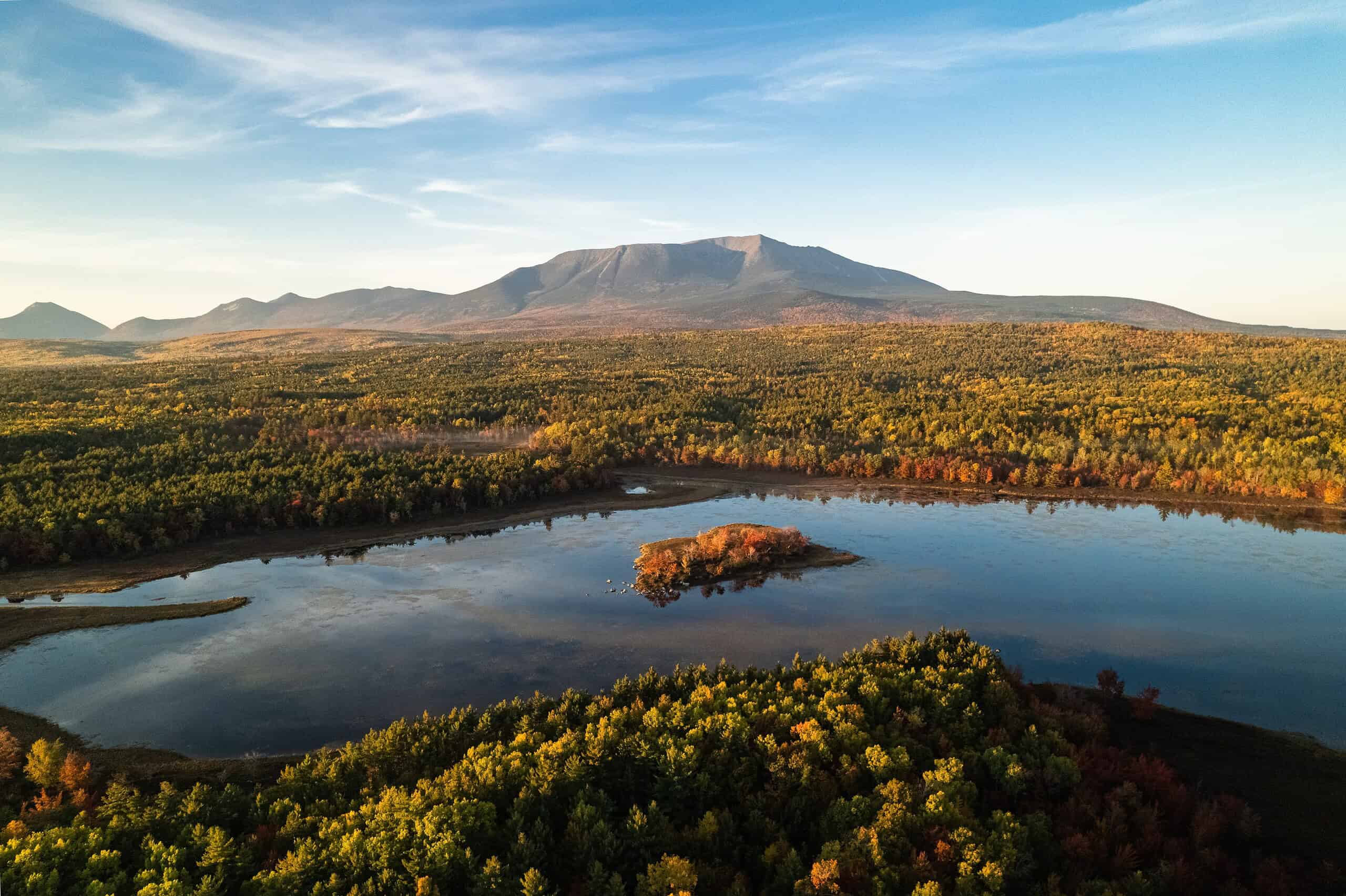
36 Hours in Katahdin Woods & Waters Region
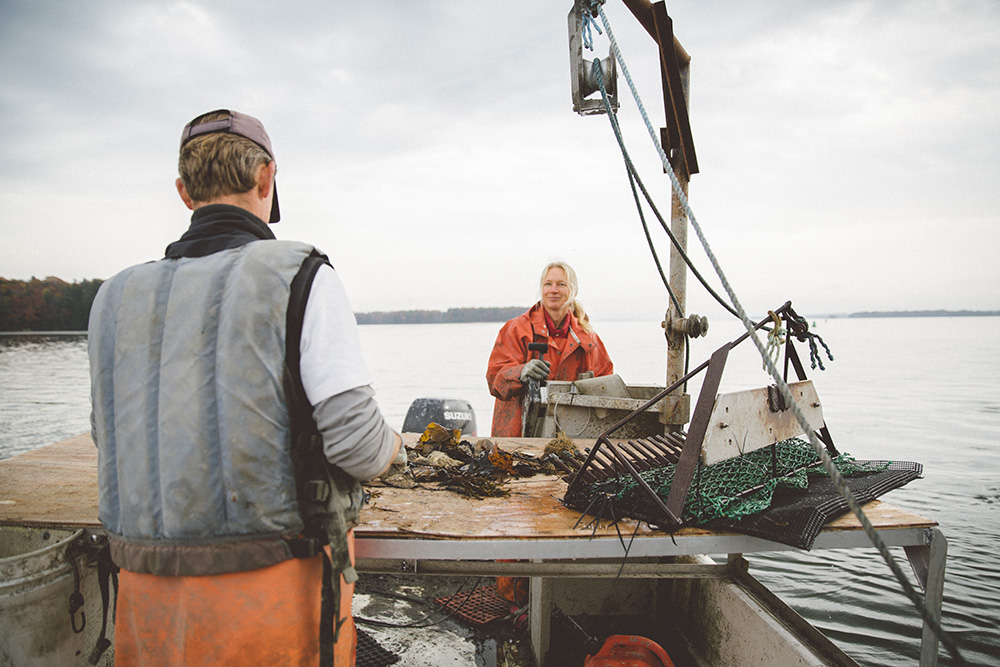
It’s Not All About Lobster: Maine’s Flourishing Oyster Farms
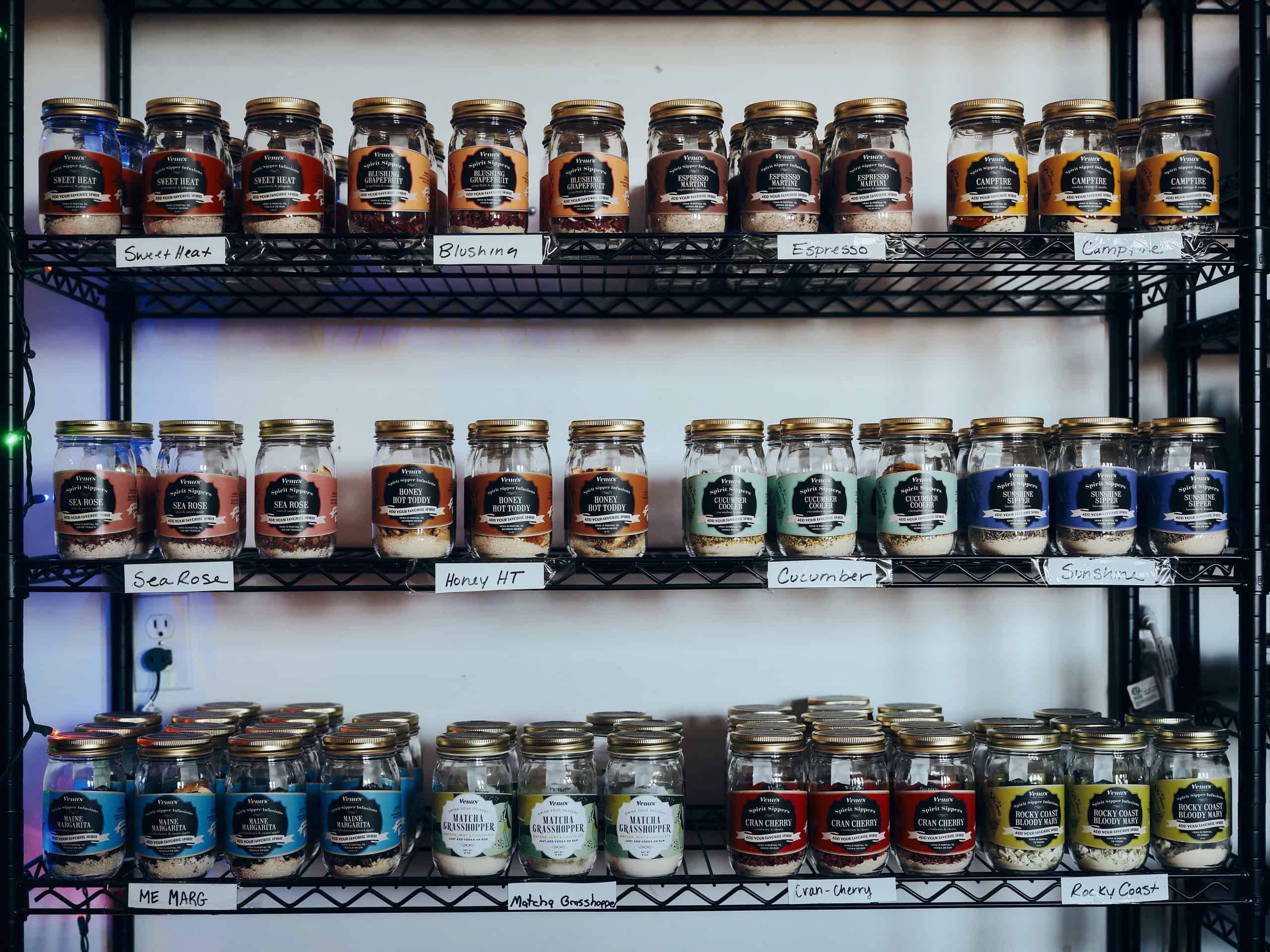
Maine Mocktails Set a Delicious Standard
Things to do in Bangor, Maine with Kids
Trip Tip: The Maine Oyster Trail
Maine’s James Beard Foundation Award Winners Itinerary

Halloween Haunts & Creepy Things to Do in Maine